Welcome, fellow automotive aficionados, to another exhilarating journey into the captivating world of classic cars. Today, we set our sights on the remarkable Buick Le Sabre (1951), a true masterpiece of automotive ingenuity that defied convention and embraced the spirit of innovation.
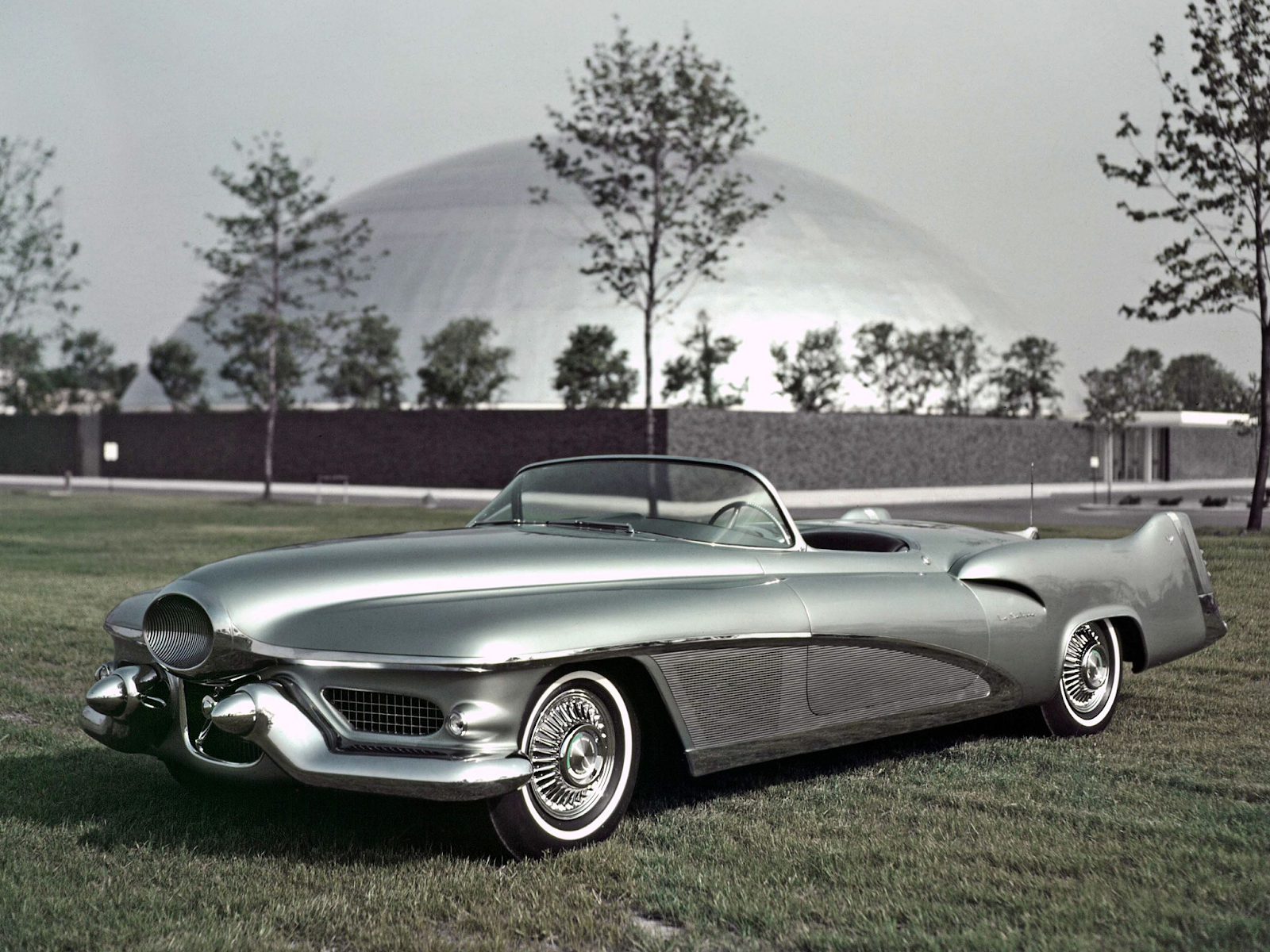
Craftsmanship Elevated
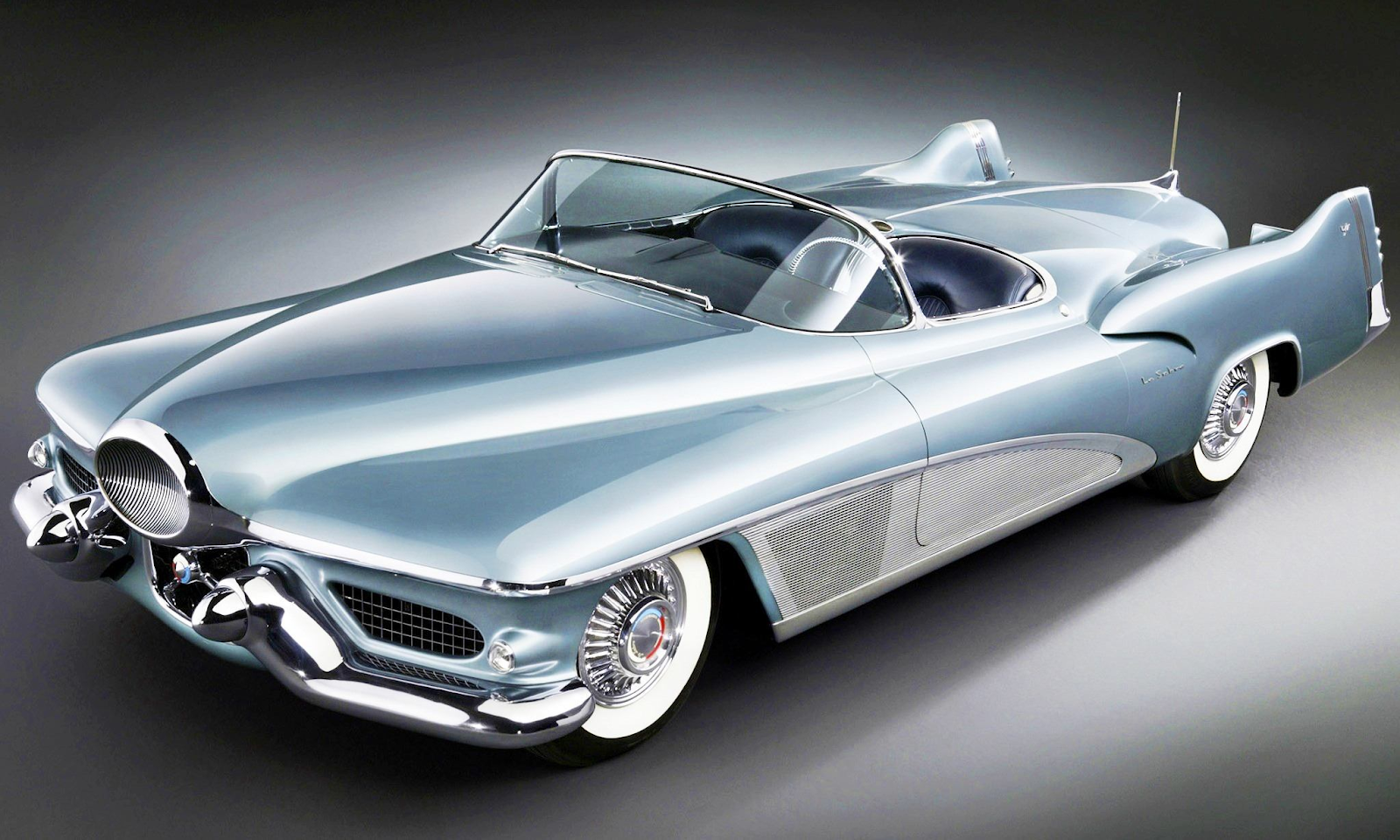
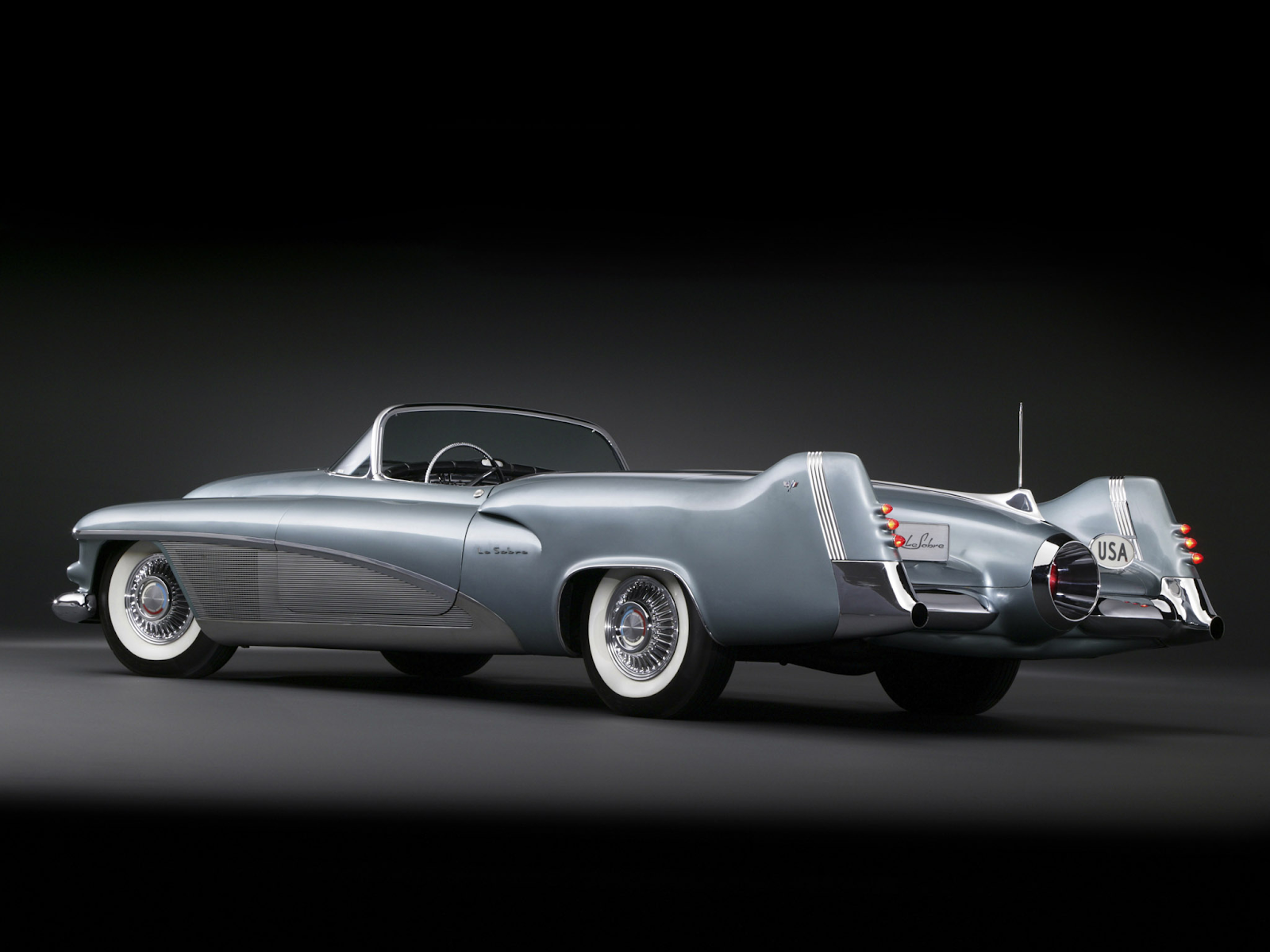
The Buick Le Sabre, unveiled in 1951, stands as a testament to the boundless creativity and visionary design of the era. Built on a Buick chassis and draped in an aluminum body, this extraordinary vehicle soared to new heights of automotive excellence. With its audacious fusion of jet fighter and automotive themes, the Le Sabre captivated imaginations and set a new standard for automotive craftsmanship.
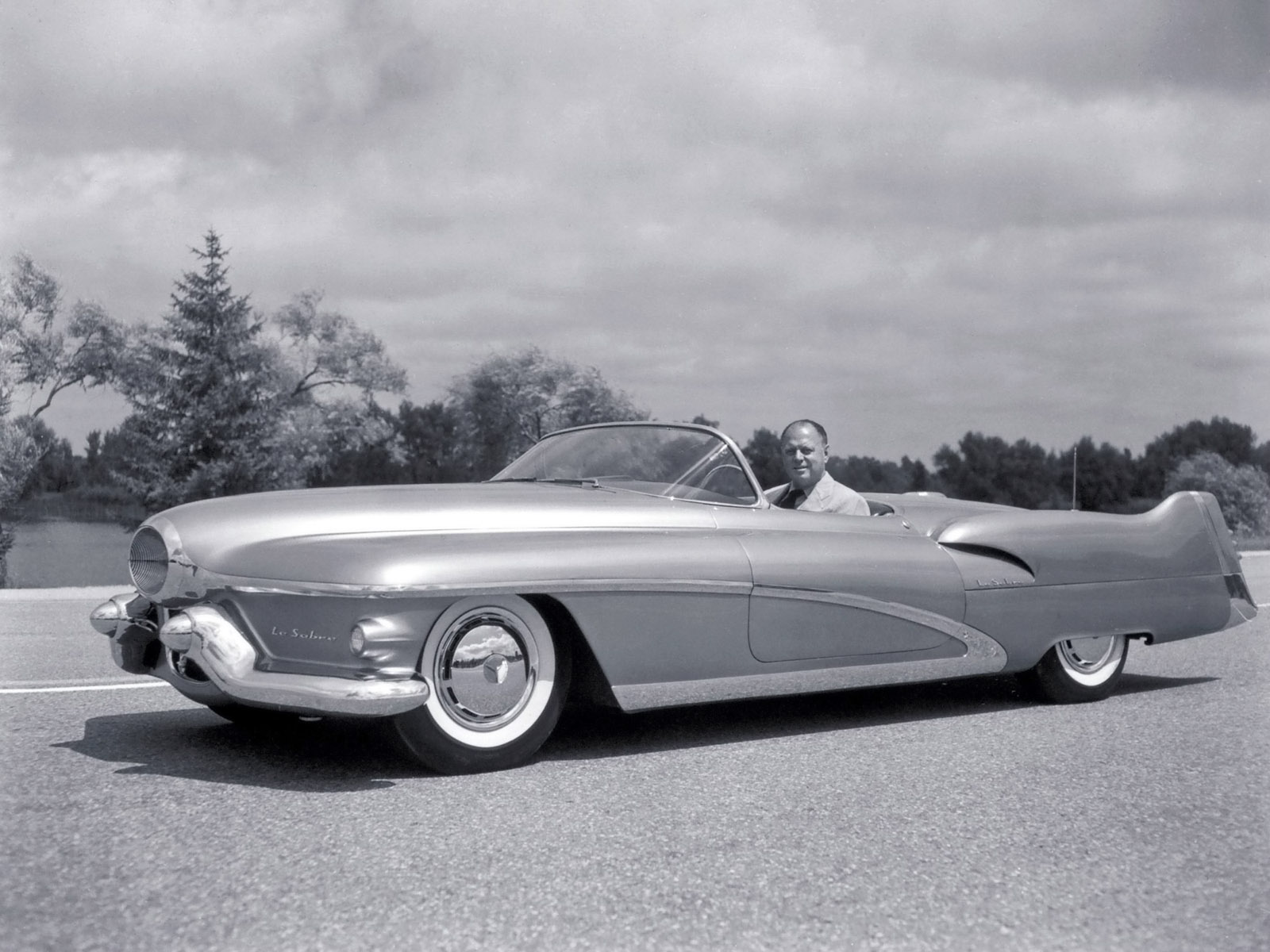
Jet Engine-Inspired Design
Drawing inspiration from the sleek lines of jet aircraft, the Buick Le Sabre exuded an unmistakable aura of aerodynamic prowess. At the front, a jet engine-inspired air intake took center stage, cleverly concealed behind a horizontal barred grille. The grille seamlessly incorporated hidden headlights, a revolutionary feature that epitomized the Le Sabre's innovative spirit.
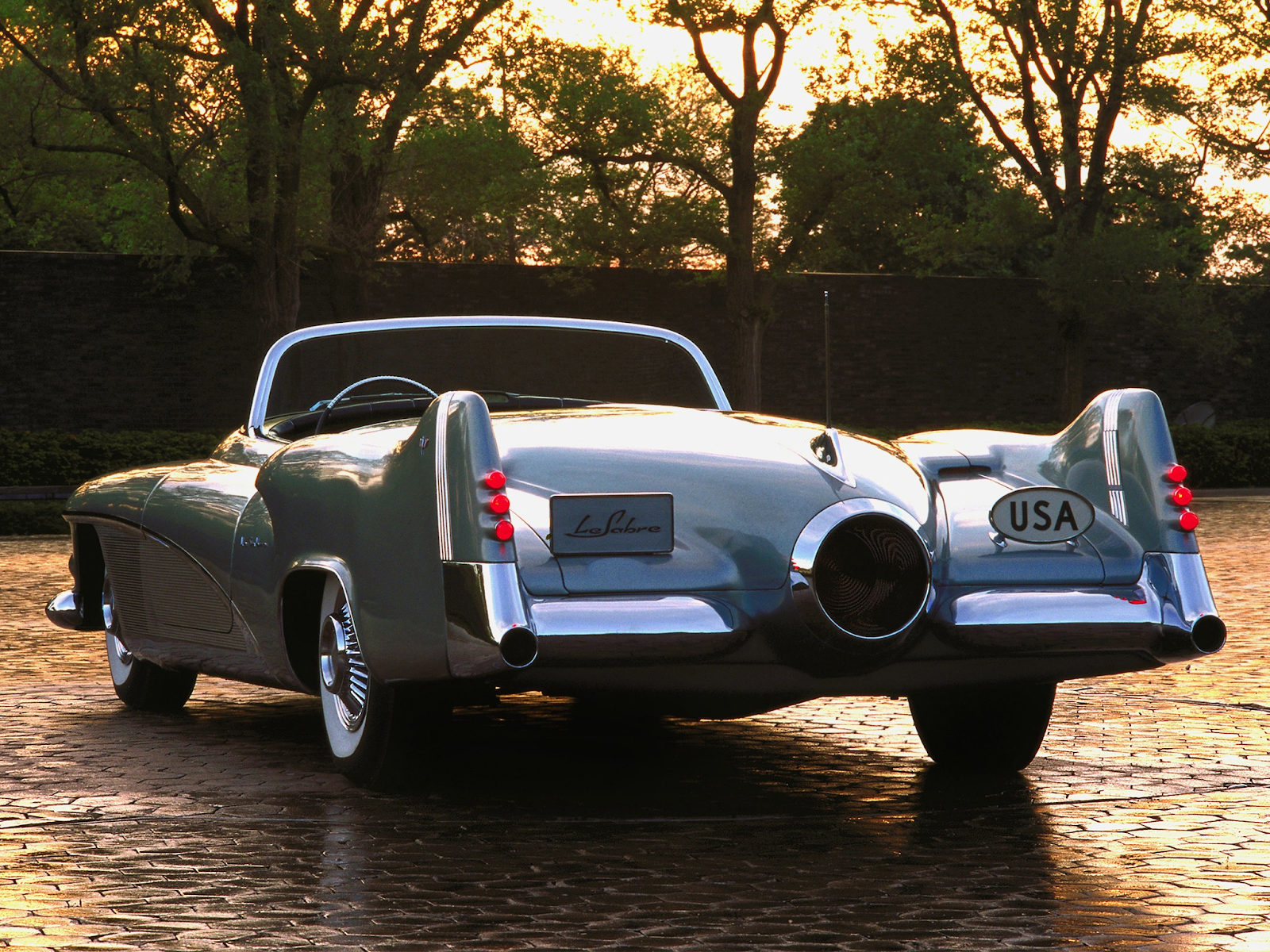
Aeronautical Innovations
The aeronautical influence extended to every aspect of the Le Sabre's design, from its stylized outlet ducts to its iconic tail fins. Each tail fin concealed a 20-gallon aircraft-type rubberized fuel tank, reflecting the car's daring approach to both form and function. Inside, the interior resembled a cockpit, with instrumentation reminiscent of an aircraft's dials and controls.
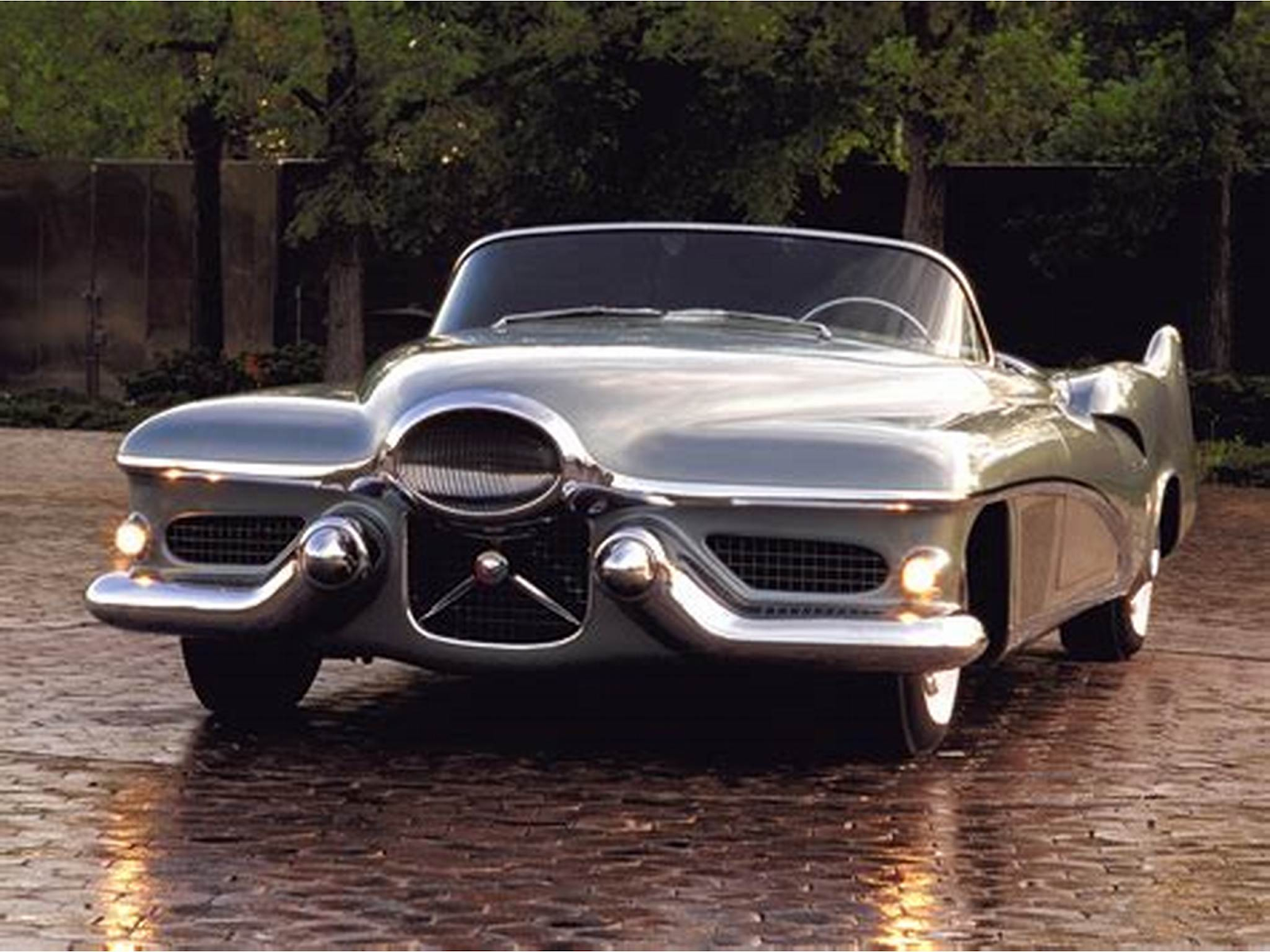
Futuristic Technologies
Beneath its sleek exterior, the Buick Le Sabre boasted an array of futuristic technologies that were ahead of its time. A rain sensor automatically raised the convertible top and windows at the first hint of precipitation, ensuring a dry and comfortable ride for occupants. Heated seats, a luxury unheard of in its day, provided added comfort and convenience for discerning drivers.
Engineering Marvels
Under the hood, the Buick Le Sabre was powered by a supercharged V8 engine that delivered an impressive 335 horsepower and 381 lbs/ft of torque. Its cast aluminum construction and unique dual carburetor design exemplified the car's commitment to performance and innovation. Advanced materials such as cast magnesium body panels and honeycomb aluminum floorboards further underscored its status as a technological marvel.
Enduring Legacy
While the Buick Le Sabre never entered mass production, its influence on automotive design and engineering was profound. From its groundbreaking features to its bold aesthetic, it paved the way for future innovations in the automotive industry. Today, the Le Sabre stands as a symbol of ingenuity and inspiration, reminding us of the endless possibilities that lie ahead.
As we reflect on the legacy of the Buick Le Sabre, we honor its place among the top dream cars of automotive history. Its timeless design, innovative technology, and uncompromising craftsmanship continue to captivate enthusiasts around the world. Stay tuned, for the journey continues, and the best is yet to come.
Comments
Post a Comment