 28 SEPTEMBER 2018
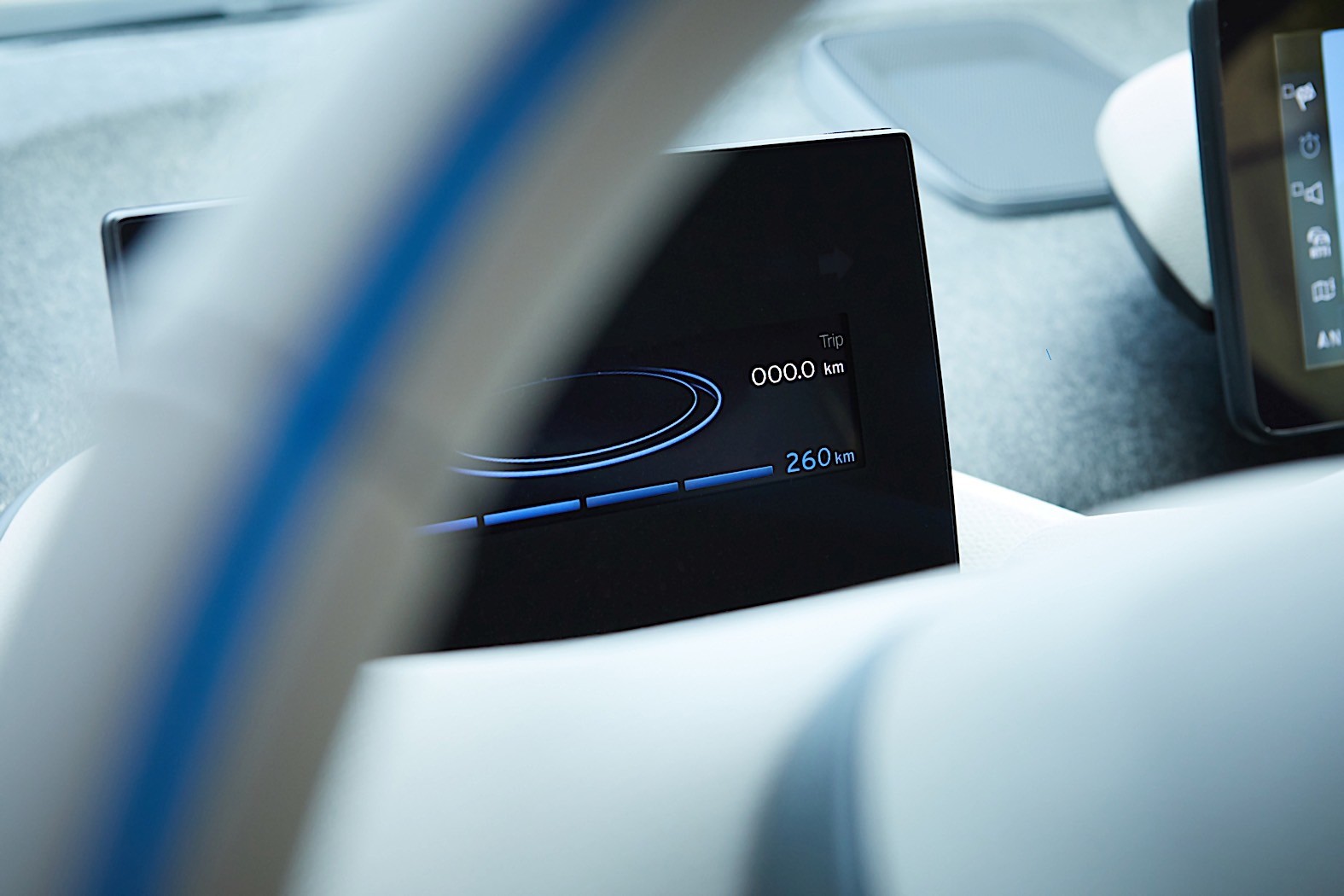
Munich. Consistent further development of BMW eDrive technology once again ensures enhanced driving pleasure in the purely electrically powered models of the BMW i brand. With cell capacity increased to 120 ampere hours (Ah) and a gross energy content of 42.2 kilowatt hours (kWh), a new generation of high-voltage batteries enables the BMW i3 (120 Ah) (combined power consumption: 13.1 kWh/100 km; combined CO2 emissions: 0 g/km)* and the BMW i3s (120 Ah) (combined power consumption: 14.6 – 14.0 kWh/100 km; combined CO2 emissions: 0 g/km)* to achieve a significantly further enhanced range as of November 2018. In everyday use, the two models are now able to cover a distance of 260 kilometres*** – an increase of almost 30 per cent.
In this way, BMW i is consolidating its position as an innovation leader and trendsetter in the field of pioneering electromobility with hallmark brand driving pleasure and excellent everyday practicality. Since the market launch of the BMW i3, the storage capacity of its high-voltage battery has been doubled, thereby increasing the car's range as well. At the same time as the introduction of the new battery, a new body finish, a new colour for the optional interior design Loft and adaptive LED headlights with matrix function for the high beam are also available for the BMW i3 and BMW i3s. In future, a sports package will be available for the BMW i3 that includes black wheel arch surrounds and a sports suspension with specific dampers, springs and stabilisers, lowered suspension, a widened track and 20-inch light alloy wheels. The optimised guidance system in the tile design of the iDrive operating system is now available in conjunction with the optional navigation system Business. In future, the options telephony with wireless charging and wireless LAN hotspot will also be available for the BMW i3 and BMW i3s.
Ongoing progress in battery development: increased energy content while dimensions remain the same.
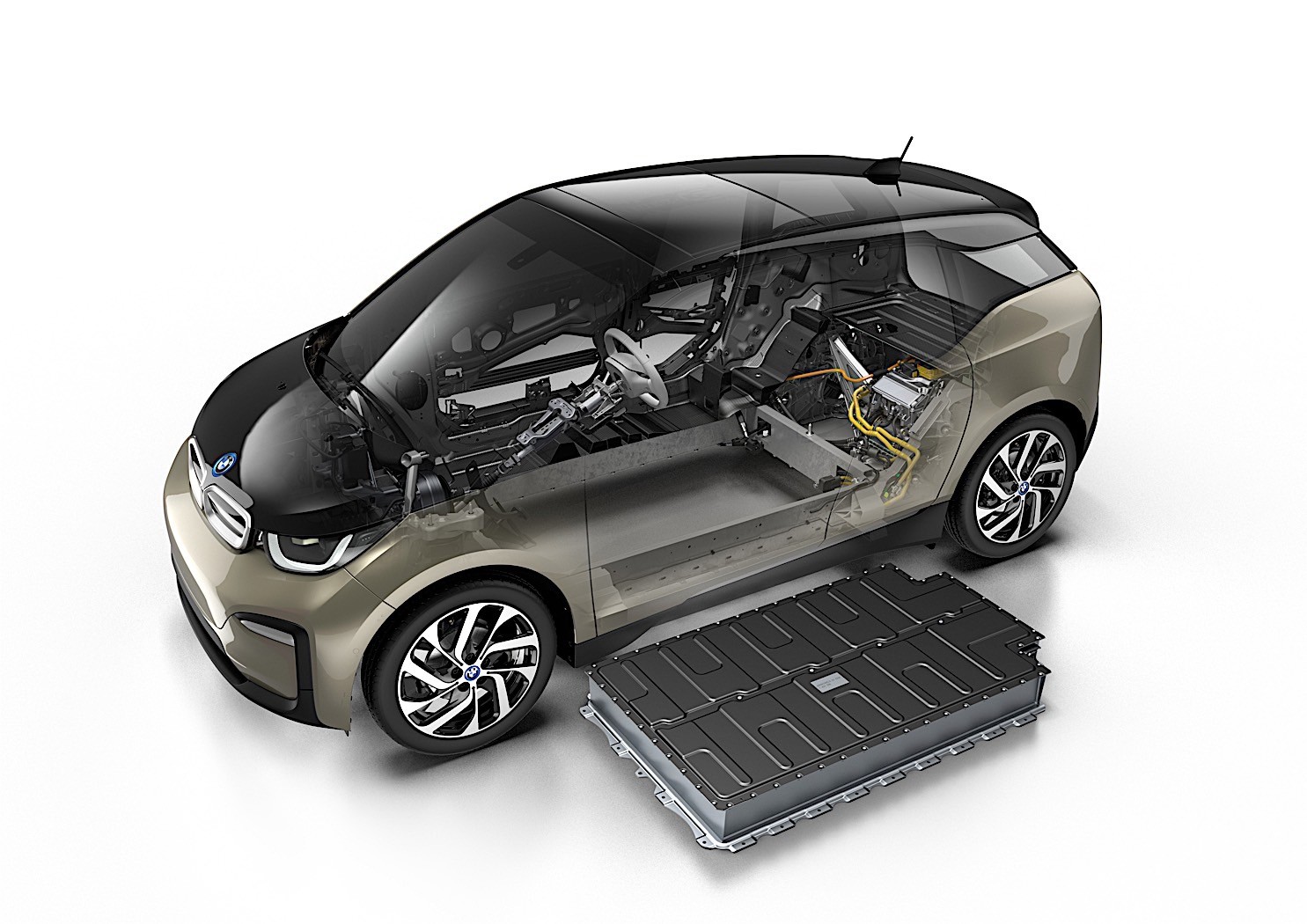
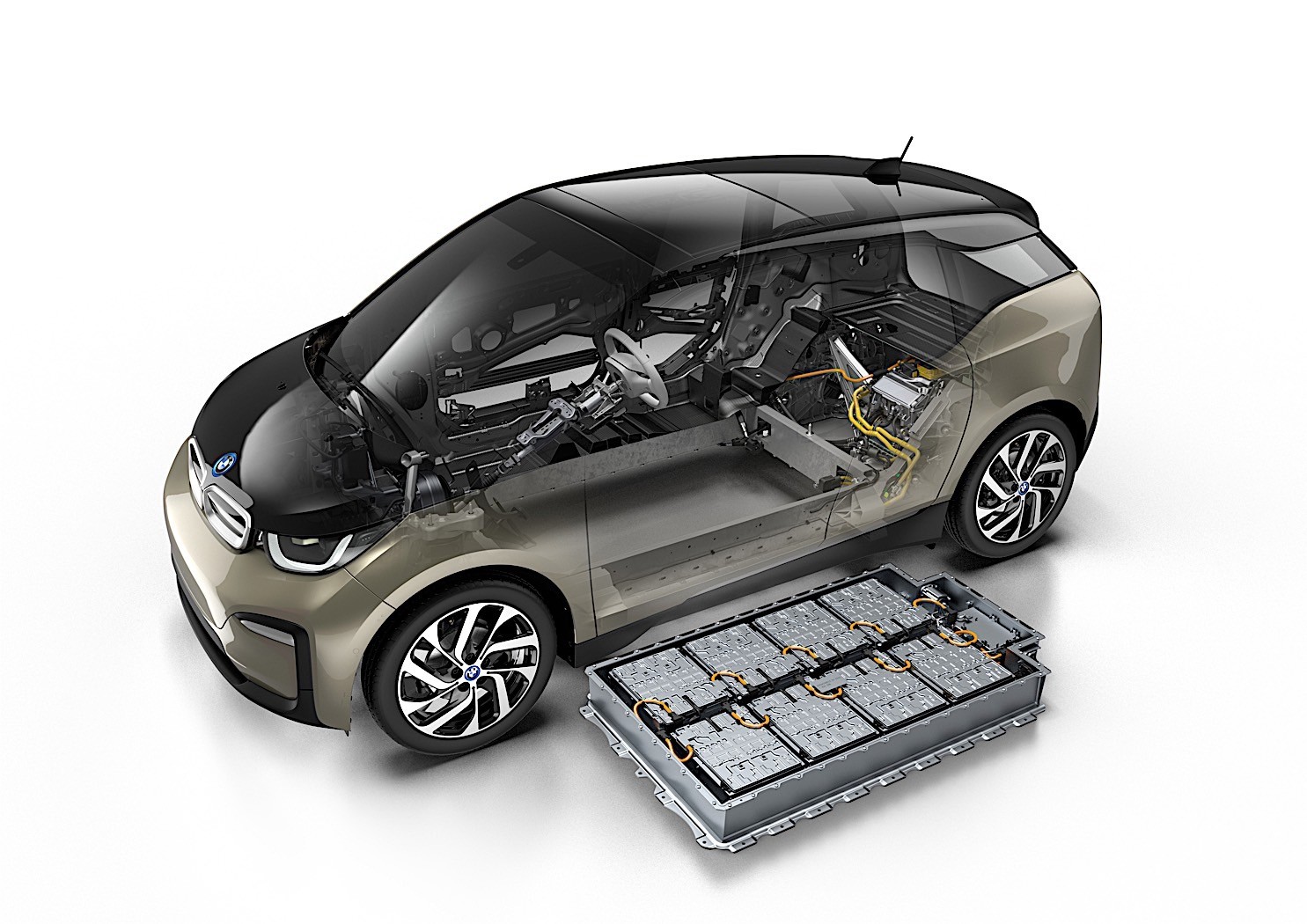
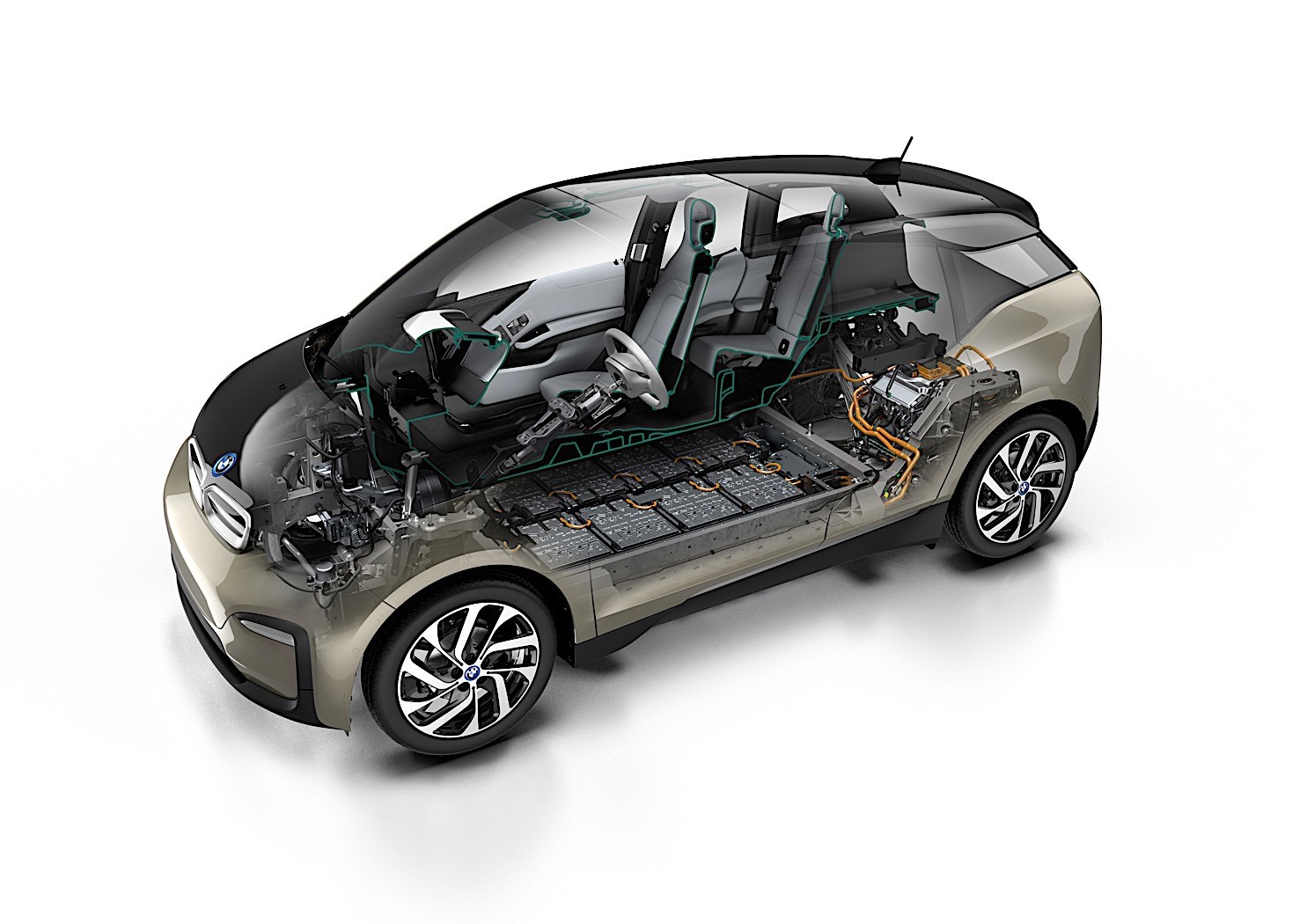
Like the electric motors and power electronics, the high-voltage batteries are an integral part of the BMW eDrive technology used in BMW i automobiles and developed independently by the BMW Group. Its lithium-ion cells are produced exclusively based on specifications defined by the BMW Group. Based on sound research and development work conducted in close cooperation with the manufacturer of the battery cells, consistent optimisation of the storage units is achieved in terms of power output, range, safety and durability. Installed deep in the floor of the vehicle, the high-voltage battery is produced at the BMW plant in Dingolfing and consists of eight modules, each with twelve storage cells: the latest advancements have resulted in a capacity of 120 Ah along with a gross energy content of 42.2 kWh – while the size remains unchanged. This is yet another major step towards increased range. For comparison: at the market launch of the BMW i3 in 2013, the equivalent figures were 60 Ah and 22.6 kWh, while the second-generation battery introduced in 2016 reaches a level of 94 Ah and 33 kWh.
In addition to vehicle weight and the installation space taken up by the high-voltage battery, driving performance and energy consumption likewise remain virtually unaltered by the increased range achieved by the latest advancements. The BMW i3, powered by a 125 kW/170 hp electric motor, accelerates in 7.3 seconds from zero to 100 km/h, while the BMW i3s with 135 kW/184 hp completes the standard sprint in 6.9 seconds. This means that the two models both set the benchmark for sporty performance within their vehicle segment. Thanks to spontaneous power delivery as is typical of electric motors, the BMW i3 and BMW i3s even reach the level of sports cars that have a considerably more powerful combustion engine: here the figures are 5.1 and 4.3 seconds respectively for the sprint from 80 to 120 km/h.
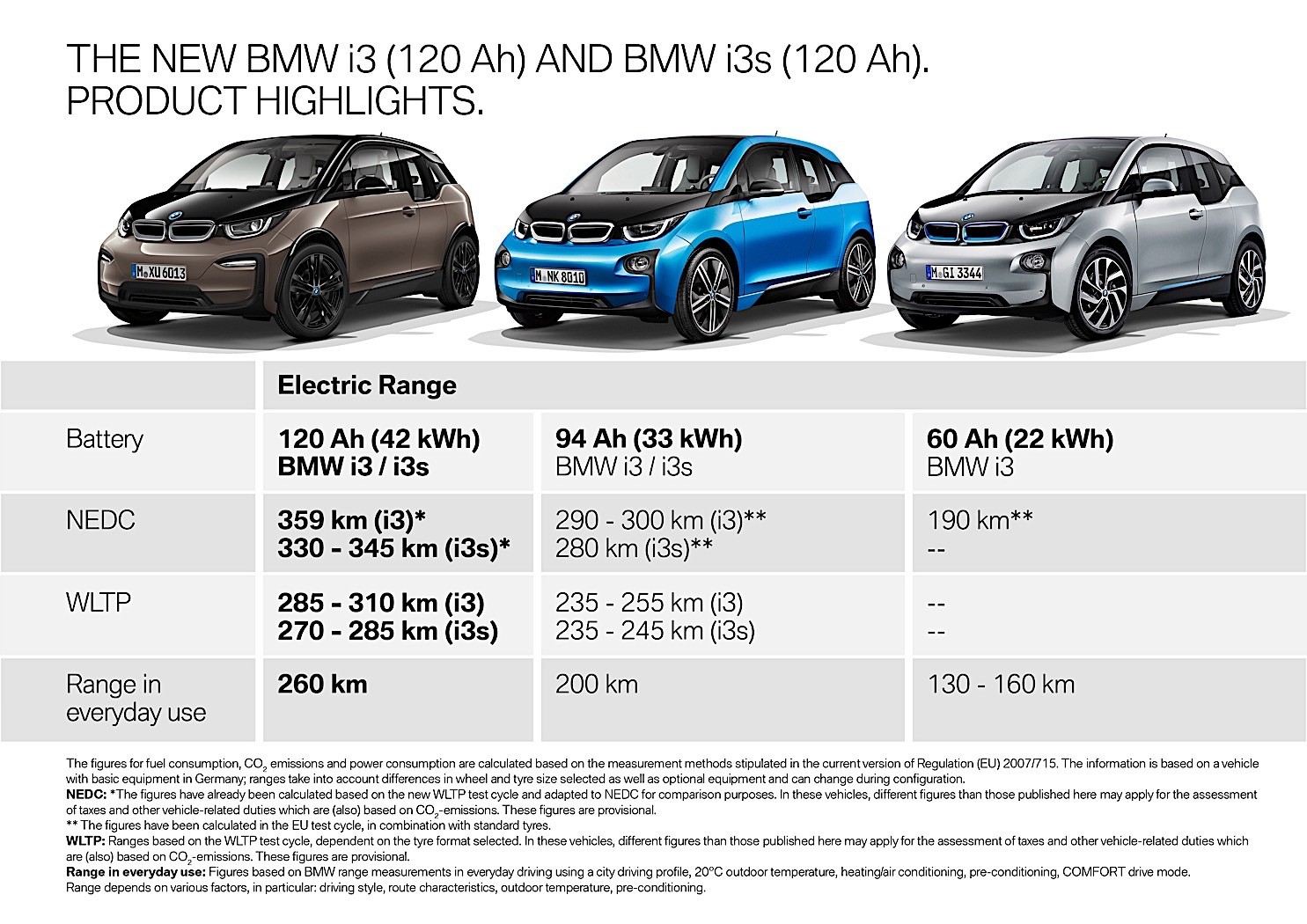
The combined power consumption of the BMW i3 (120 Ah) is 13.1 kWh per 100 kilometres*, while the BMW i3s (120 Ah) has a power consumption of 14.6 kWh to 14.0 kWh per 100 kilometres*. The high efficiency of the electric motor and the enhanced battery capacity result in a range that is nearly 30 per cent higher than that of the predecessor models. The range of the BMW i3 (120 Ah) is 359 kilometres* (previously 290 to 300 km) according to NEDC, and 285 to 310 kilometres** (previously 235 – 255 km) according to WLTP. For the BMW i3s (120 Ah), a range of 330 to 345 kilometres* (previously 280 km) has been calculated according to NEDC, and a range of 270 to 285 kilometres** (previously 235 –245 km) according to WLTP. In everyday conditions, both models now achieve a range of 260 kilometres*** (previously 200 km).
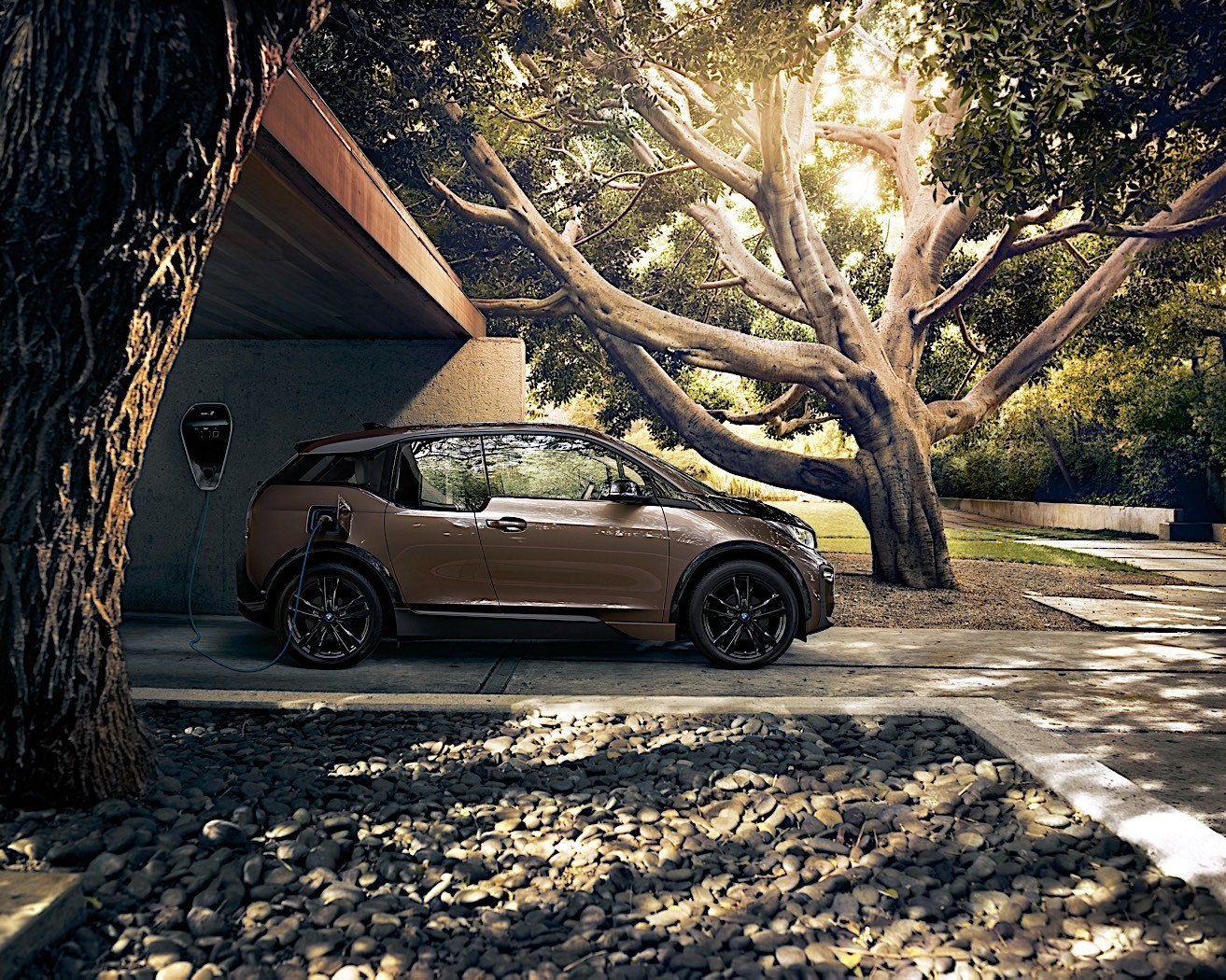
The high-quality charging electronics of the BMW i3 and BMW i3s allows fast and flexible refreshment of the energy reserves. The standard charging cable is designed to be plugged into a conventional household socket. Here the battery can be charged to up to 80 per cent of its full power in approximately 15 hours with a charging capacity of 2.4 kW. Connection to the BMW i Wallbox enables rapid three-phase charging with a capacity of 11 kW. Here the time required to achieve an 80 per cent charge of the large-capacity high-voltage battery is 3.2 hours. The power electronics and high-voltage battery in the BMW i3 and BMW i3s can also be used in conjunction with quick-charging stations that run on DC power. Here the charging capacity is 50 kW and the high-voltage battery reaches 80 per cent of its total power in just 42 minutes.
With its battery capacity increased to 42.2 kWh, the latest version of the BMW i3 also follows the brand's holistic concept, applicable since market launch and geared towards responsible use of resources: this includes not just locally emissions-free power but also material selection and production techniques as well as mobility services. The BMW i3 (120 Ah) and the BMW i3s (120 Ah) have a much more favourable CO2 footprint across the entire vehicle lifecycle – from raw material extraction and manufacture through to use and recycling – and this makes for significantly lower global warming potential than is the case with comparable, conventionally powered automobiles.
Sports package as a new option for the BMW i3.
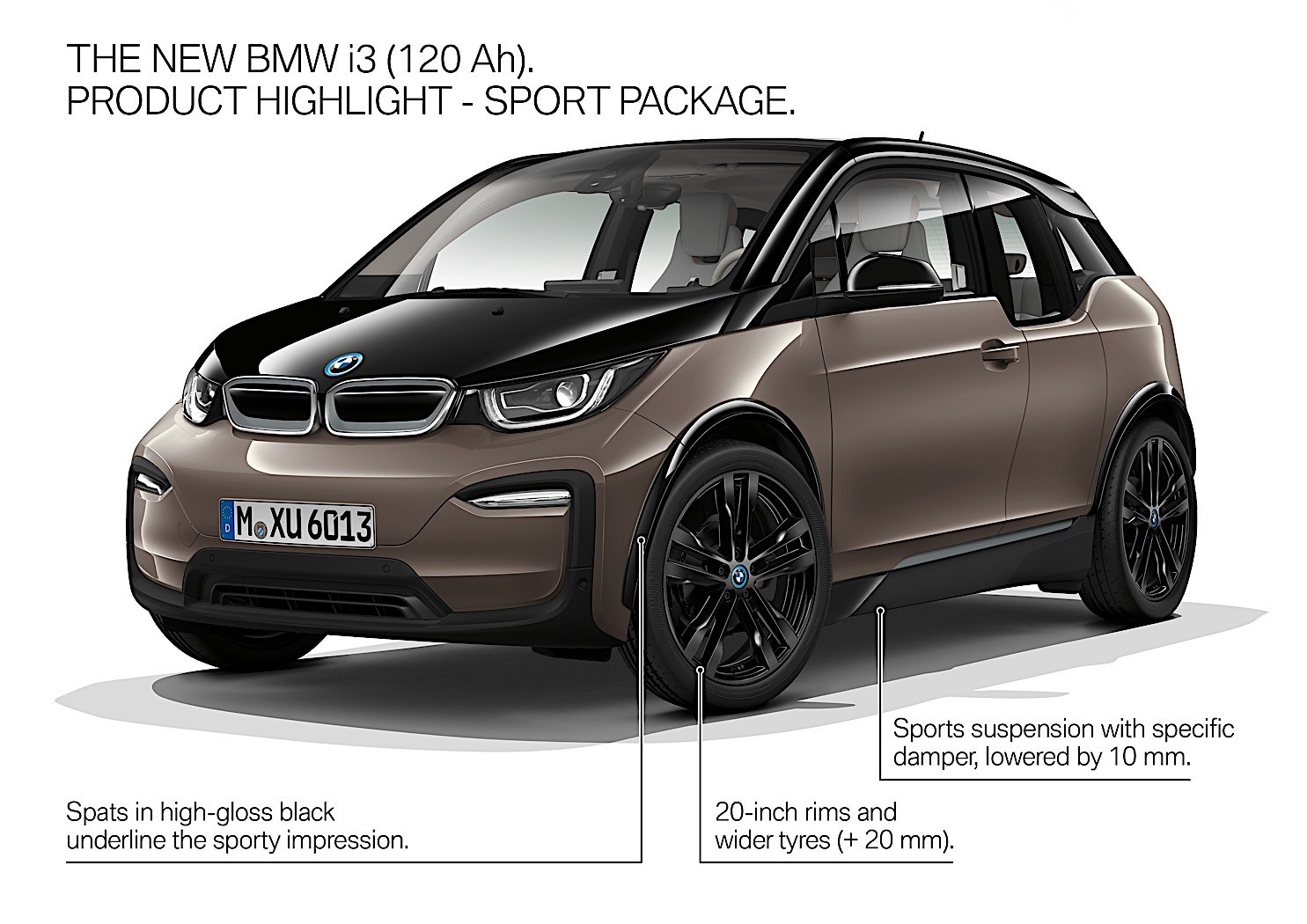
In future, the new sports package will enable additional emphasis of brand-based driving pleasure derived from locally emissions-free mobility in the BMW i3. The key element of the new option is the sports suspension, which is a standard feature in the BMW i3s and includes specific dampers, springs and stabilisers, a suspension lowered by 10 millimetres, a widened track and 20-inch light alloy wheels in Jet Black or Bicolor finish with mixed tyres. This increase in driving dynamics is visually underscored by means of black wheel arch surrounds, which also form part of the BMW i sports package.
New body finishes, adaptive LED headlights, optimised controls and connectivity.
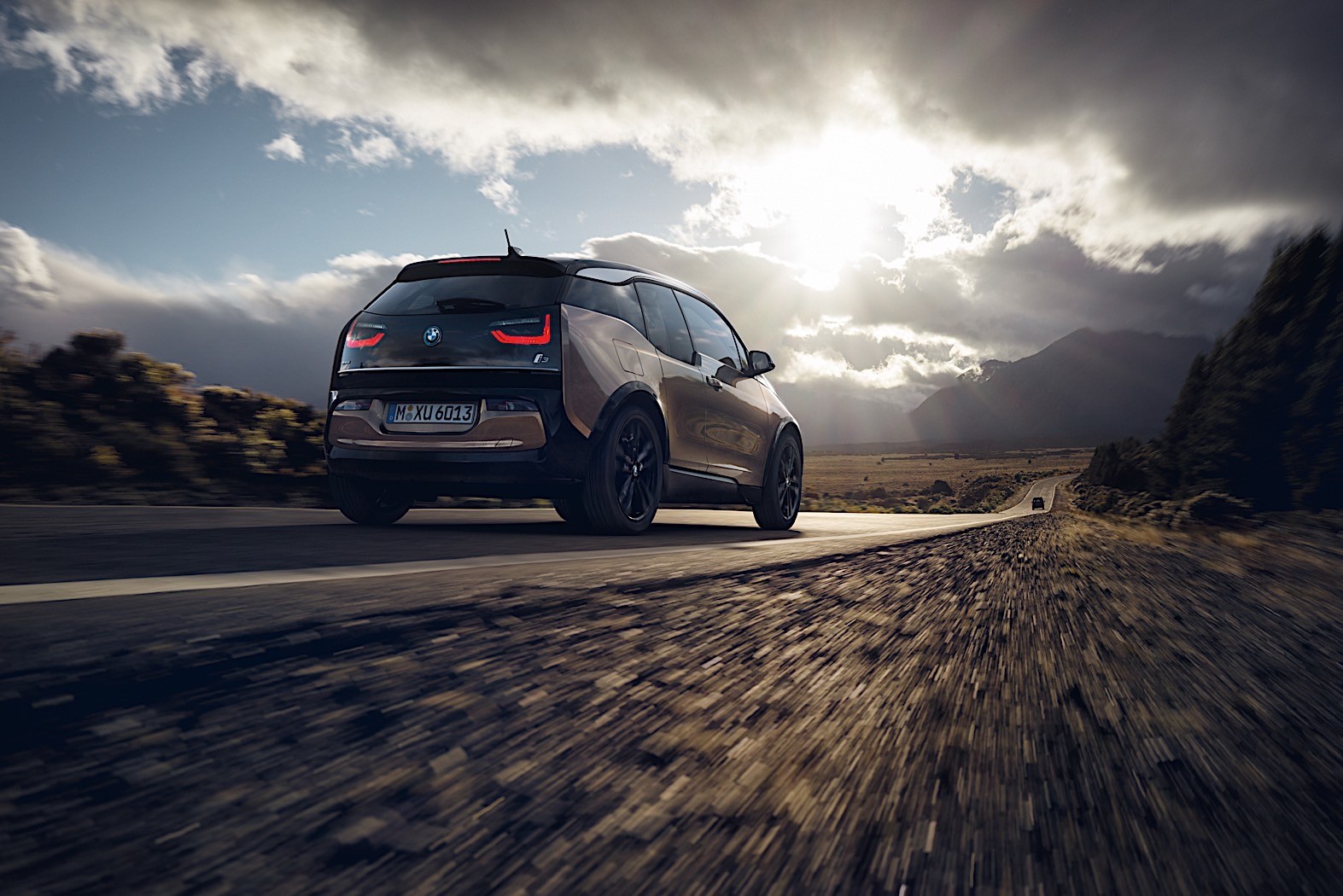
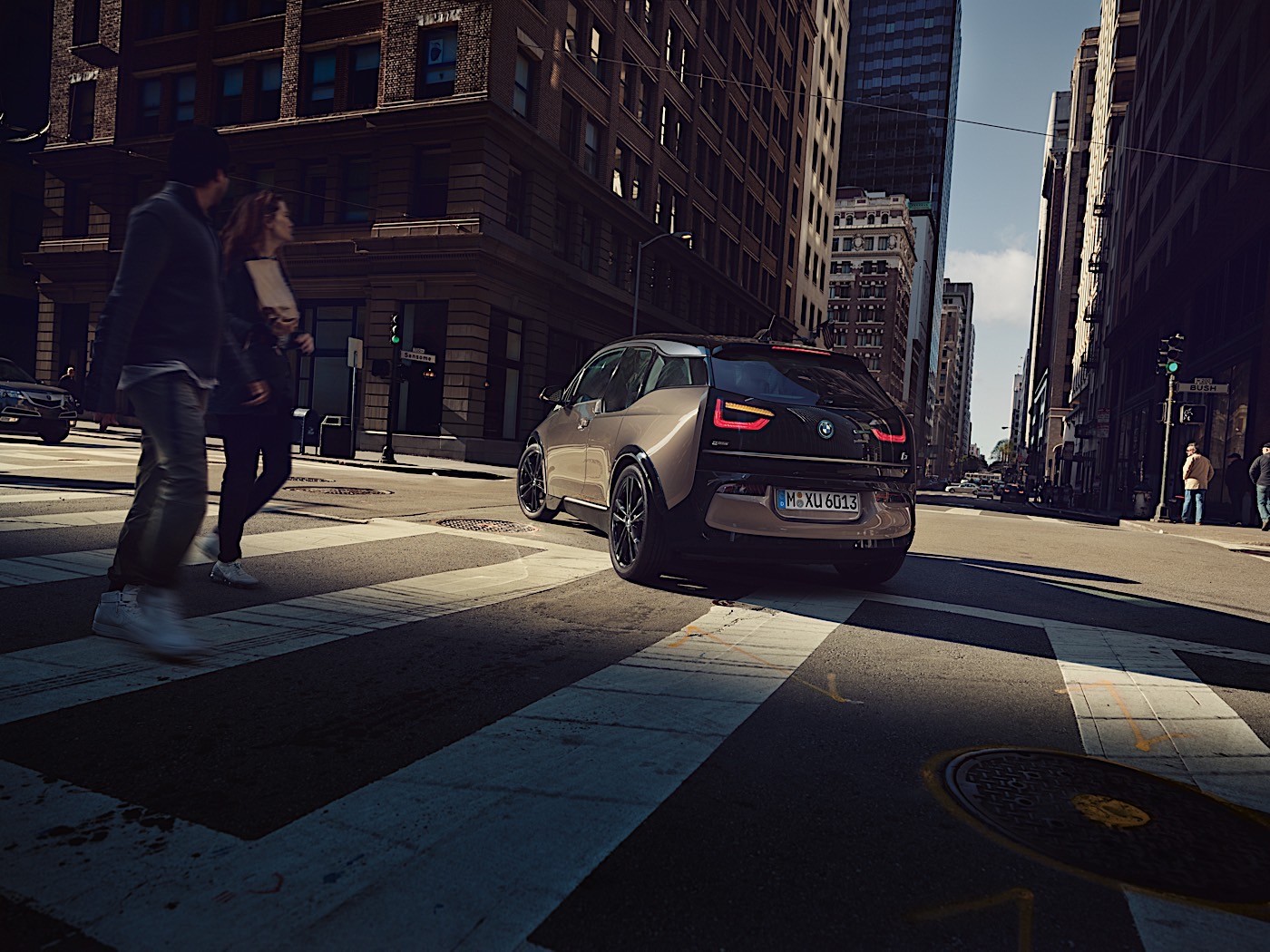
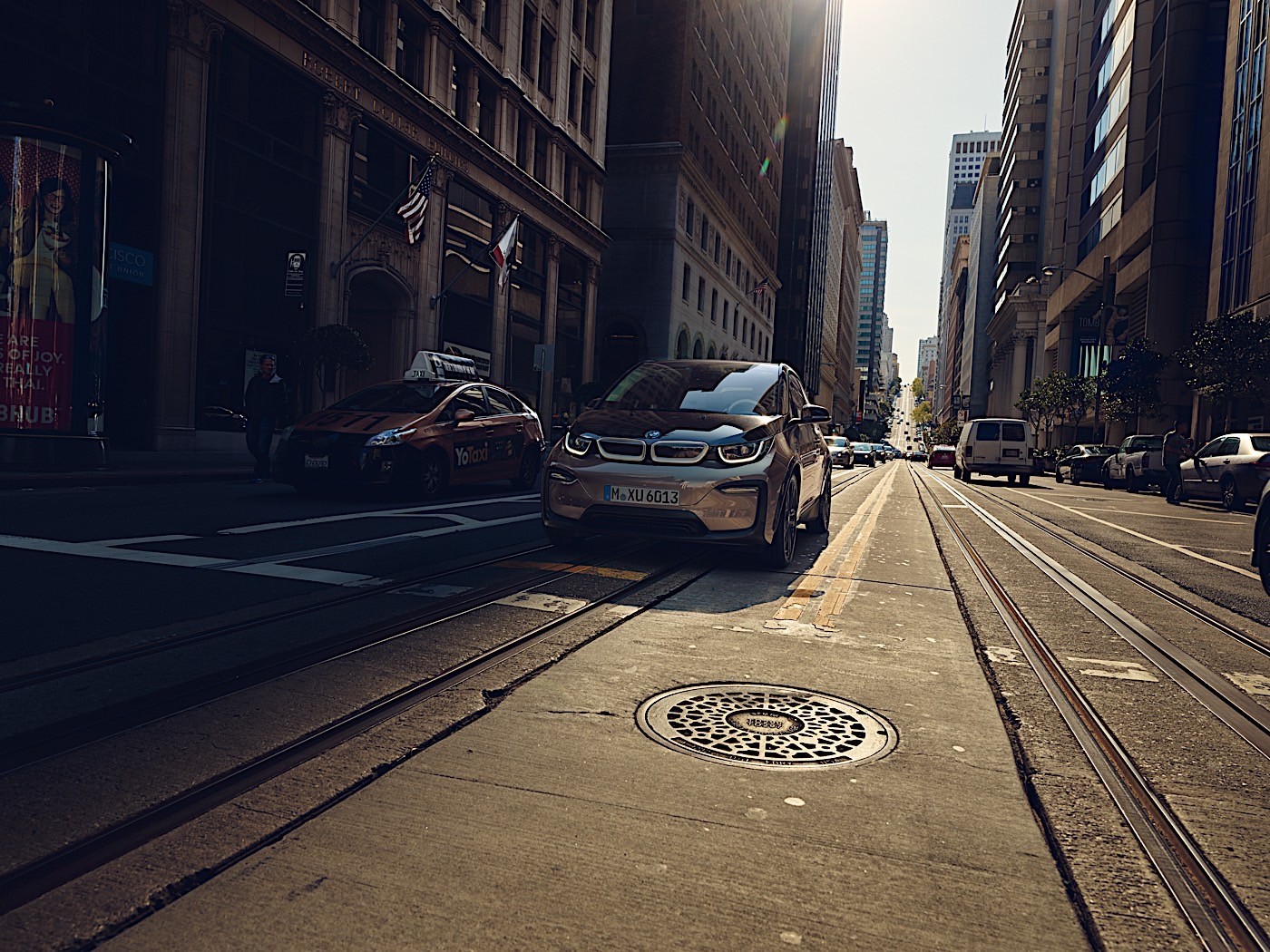
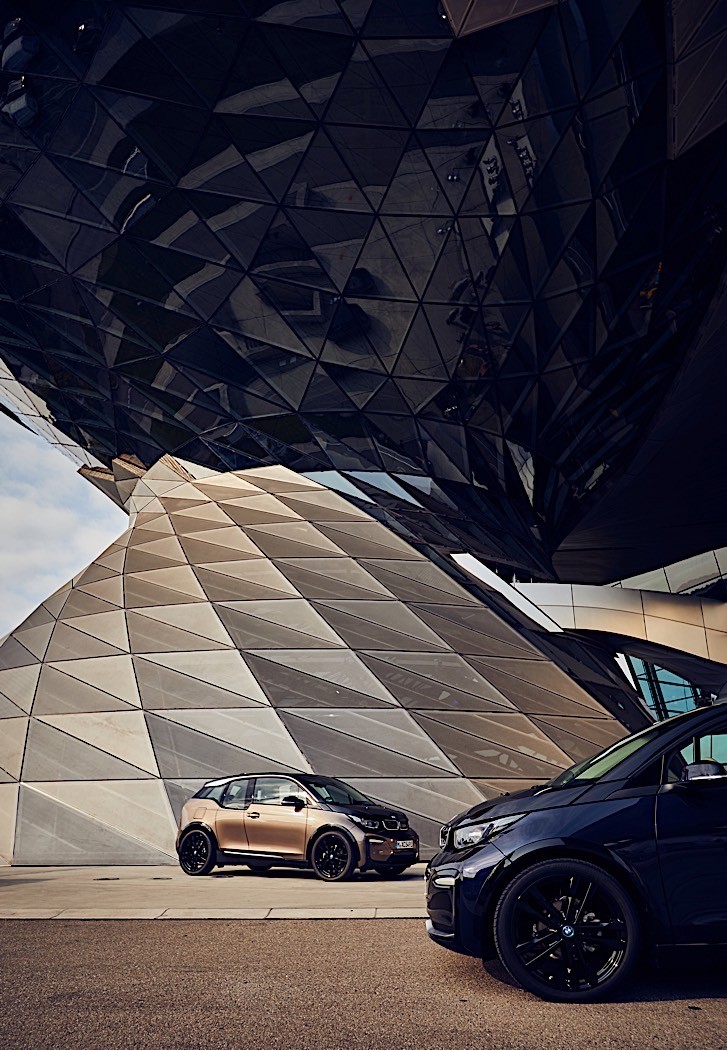
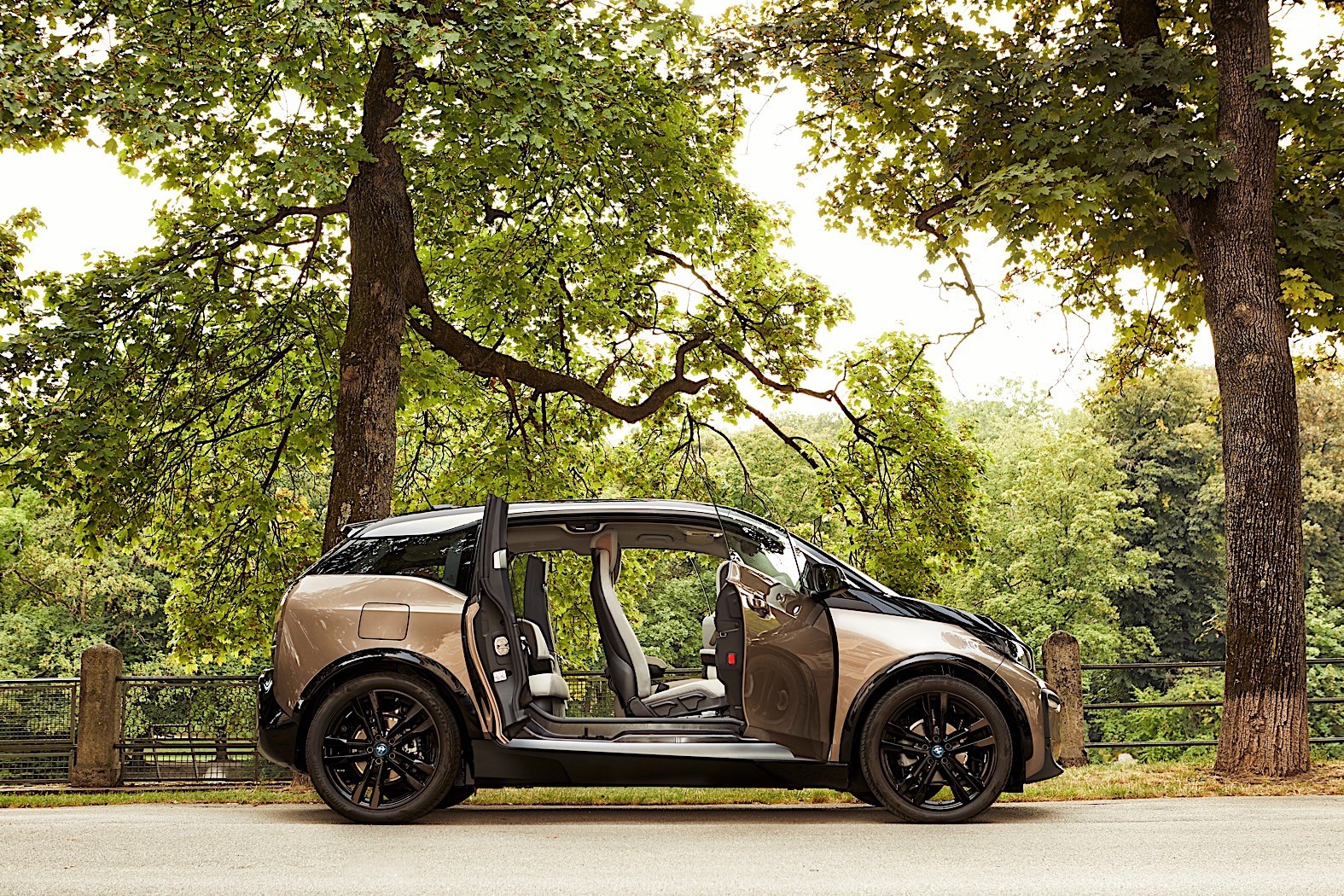
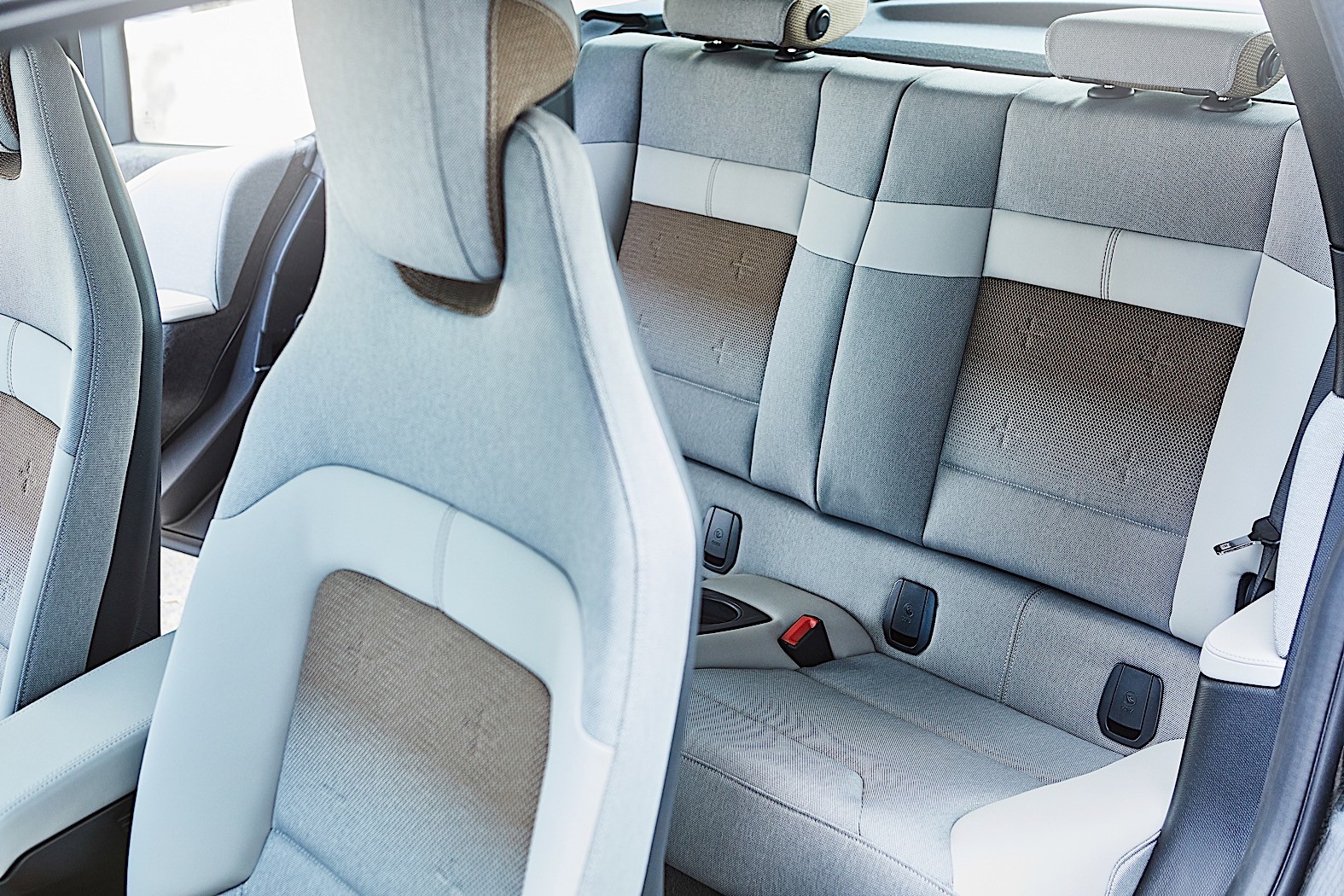
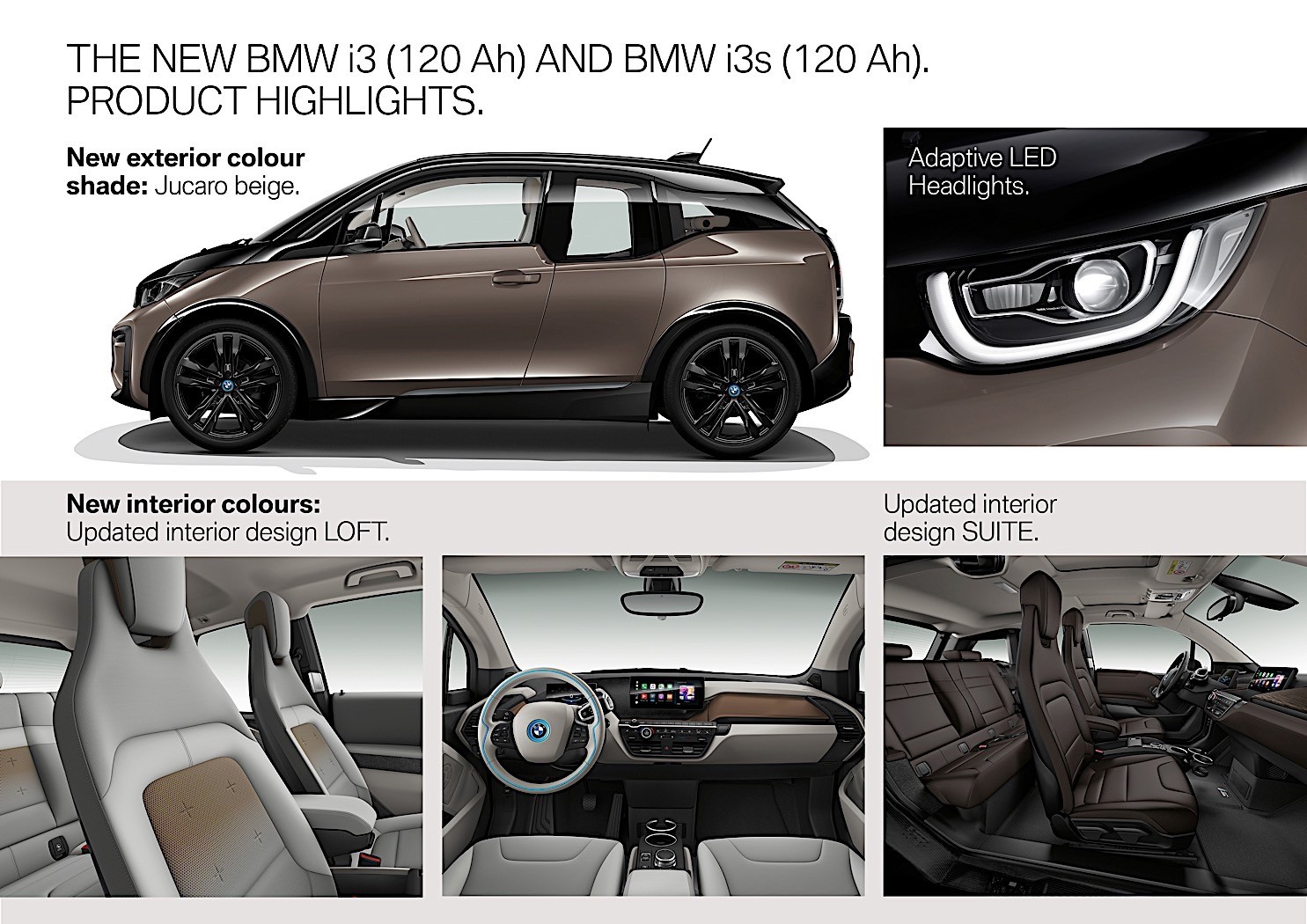
Since 2014 the BMW i3 has been the world's best-selling electrically powered vehicle in the premium compact segment. On the streets of urban conurbations it has come to stand as a symbol of pioneering mobility. Its characteristic shaping is closely linked to the LifeDrive vehicle architecture, which combines an aluminium chassis with a passenger cell made carbon fibre reinforced plastic (CFRP). With the introduction of the new battery generation, the design of the BMW i3 and the BMW i3s has been enriched with fresh accentuations. The choice of body finish for the two models has been extended to include the new variant Jucaro Beige metallic with accentuations in Frozen Grey. Meanwhile the exterior paint finishes Mineral Grey metallic, Imperial Blue metallic, Melbourne Red metallic, Capparis White and Fluid Black are still available. To match the new body finish, the optional interior design Loft now includes upholstery in the fabric/Sensatec combination "Electronic" – in Carum Grey with accentuations in brown and interior surfaces in Electronic Brown.
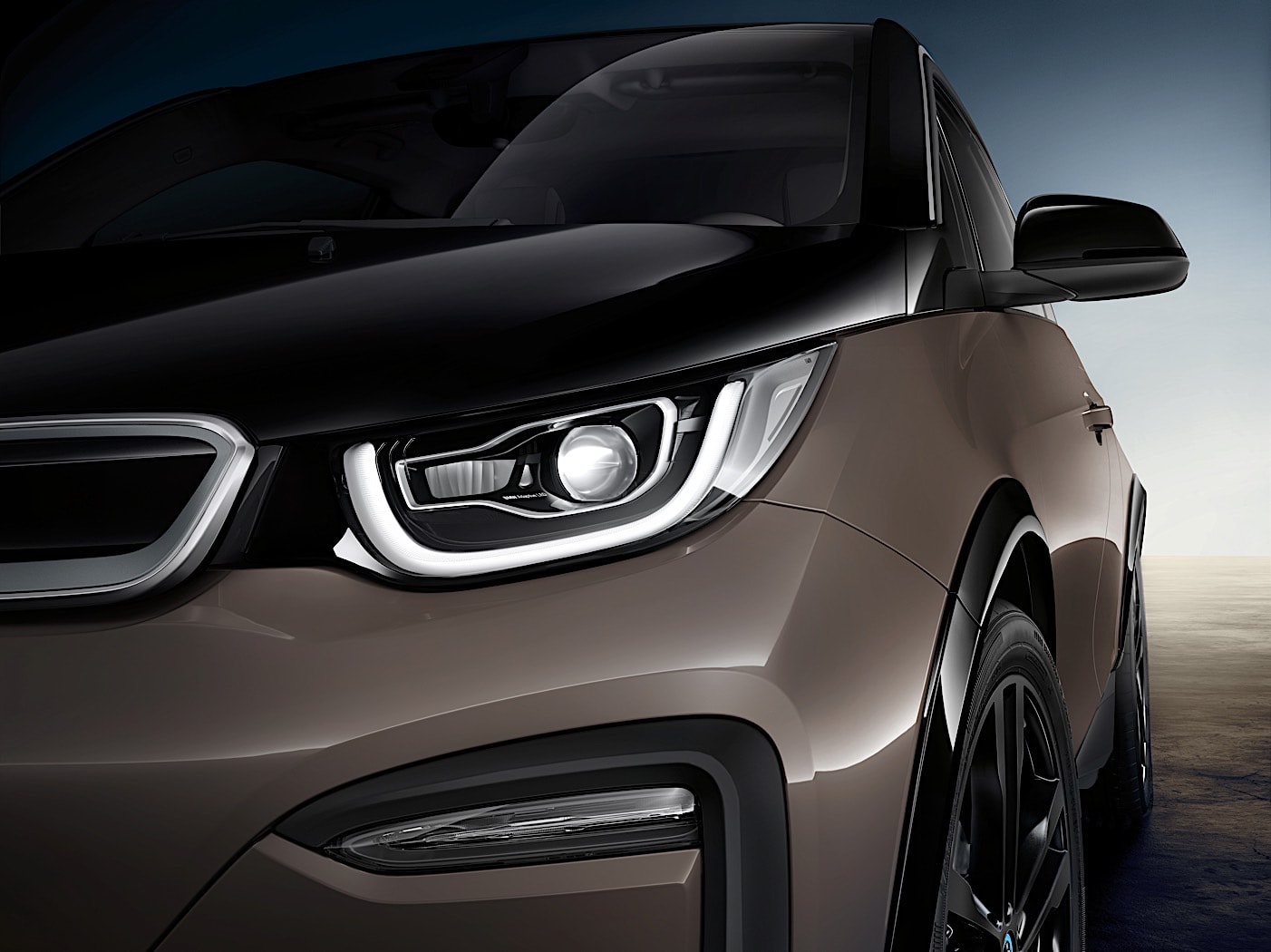
As an alternative to the standard LED headlights, adaptive LED headlights are now available with an automatic, selective dip function for the high beam. The innovative matrix technology for the high beam increases visibility range while at the same avoiding any dazzle effect on other road users. For this purpose it is divided into four horizontally arranged segments which can be activated and deactivated independently of each other at speeds of over 70 km/h. The high beam segments are controlled based on the traffic situation. As soon as the front camera registers an oncoming vehicle or a vehicle travelling ahead in the same direction, the space in which this vehicle is located is illuminated using the low beam only. This is effected by deactivation of the matrix high beam segments that are responsible for this area. The remaining areas of the road continue to be illuminated by the high beam. Adaptive LED headlight functions also include the cornering light and the high beam assistant.
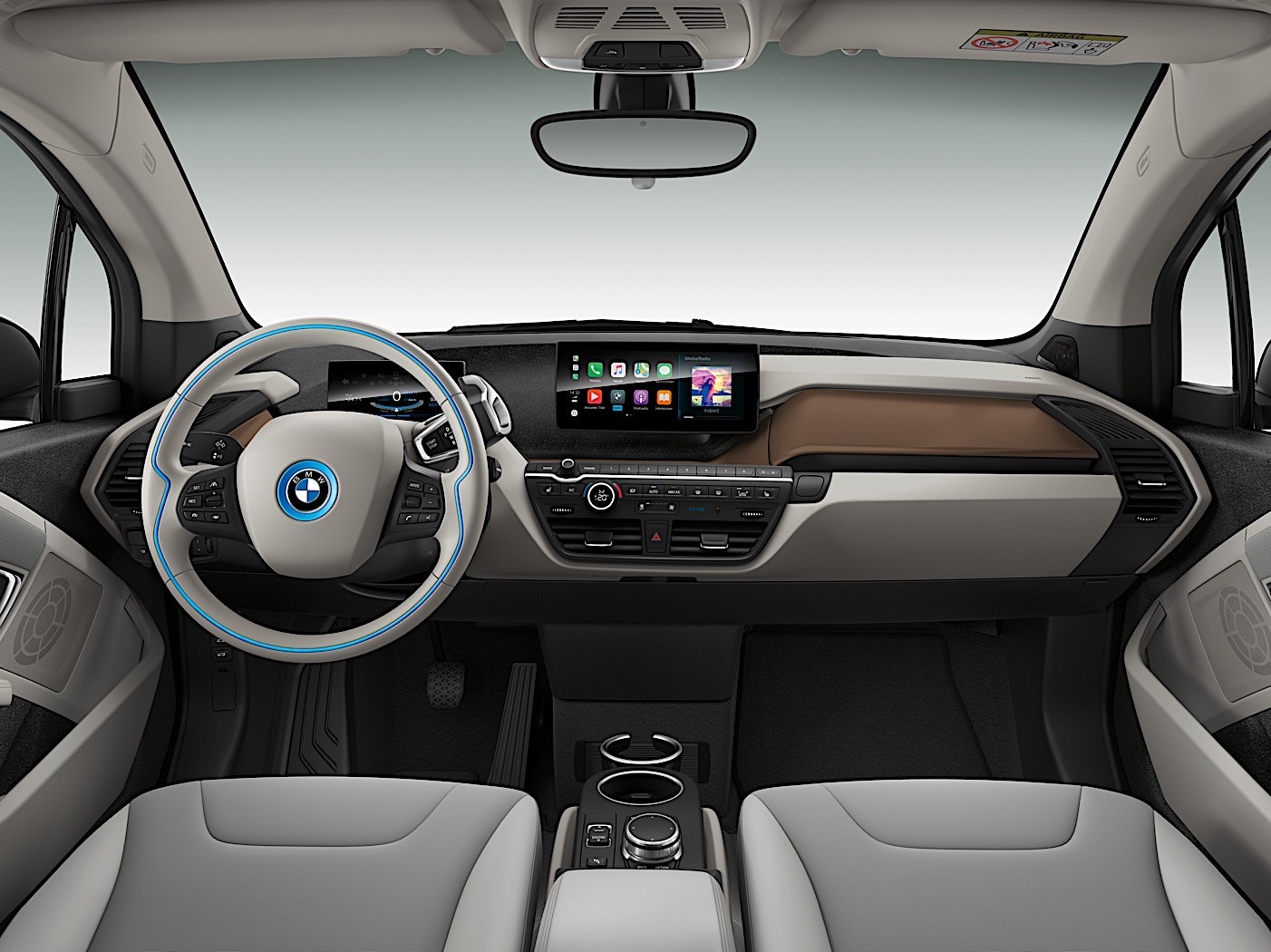
The optimised menu display for the iDrive operating system with buttons in tile structure and in live mode is now also available in conjunction with the optional navigation system Business. This means that the desired content is now available even more quickly and conveniently. What is more, the program of optional equipment items now also includes the option of telephony with wireless charging, which allows compatible mobile phones to be recharged without use of a cable. The wireless LAN hotspot, likewise newly available for the BMW i3 and the BMW i3s, provides a fast online connection for up to ten end devices inside the vehicle.
The figures for fuel consumption, CO 2 emissions and power consumption are calculated based on the measurement methods stipulated in the current version of Regulation (EU) 2007/715. This information is based on a vehicle with basic equipment in Germany; ranges take into account differences in wheel and tyre size selected as well as optional equipment.
* Power consumption, emissions figures and ranges are calculated based on the new WLTP test cycle and adapted to NEDC for comparison purposes, dependent on the tyre format selected.In these vehicles, different figures than those published here may apply for the assessment of taxes and other vehicle-related duties which are (also) based on CO2-emissions. These figures are provisional.
** Ranges based on the WLTP test cycle, dependent on the tyre format selected. In these vehicles, different figures than those published here may apply for the assessment of taxes and other vehicle-related duties which are (also) based on CO2-emissions. These figures are provisional.
*** Figures based on BMW range measurements in everyday driving using a city driving profile, 20°C outdoor temperature, heating/air conditioning, pre-conditioning, COMFORT drive mode. Range depends on various factors, in particular: driving style, route characteristics, outdoor temperature, pre-conditioning.
For further details of the official fuel consumption figures and official specific CO2 emissions of new cars, please refer to the "Manual on fuel consumption, CO2 emissions and power consumption of new cars", available at sales outlets, from Deutsche Automobil Treuhand GmbH (DAT), Hellmuth-Hirth-Str. 1, 73760 Ostfildern-Scharnhausen and at http://www.dat.de/angebote/verlagsprodukte/leitfaden-kraftstoffverbrauch.html.
Comments
Post a Comment