Renault Avantime (3.0 V6), Perché Comprarla... Classic

1996 Zagato Raptor | No Intro Needed...This IS The Ultimate Lamborghini

30 OCTOBER 2019
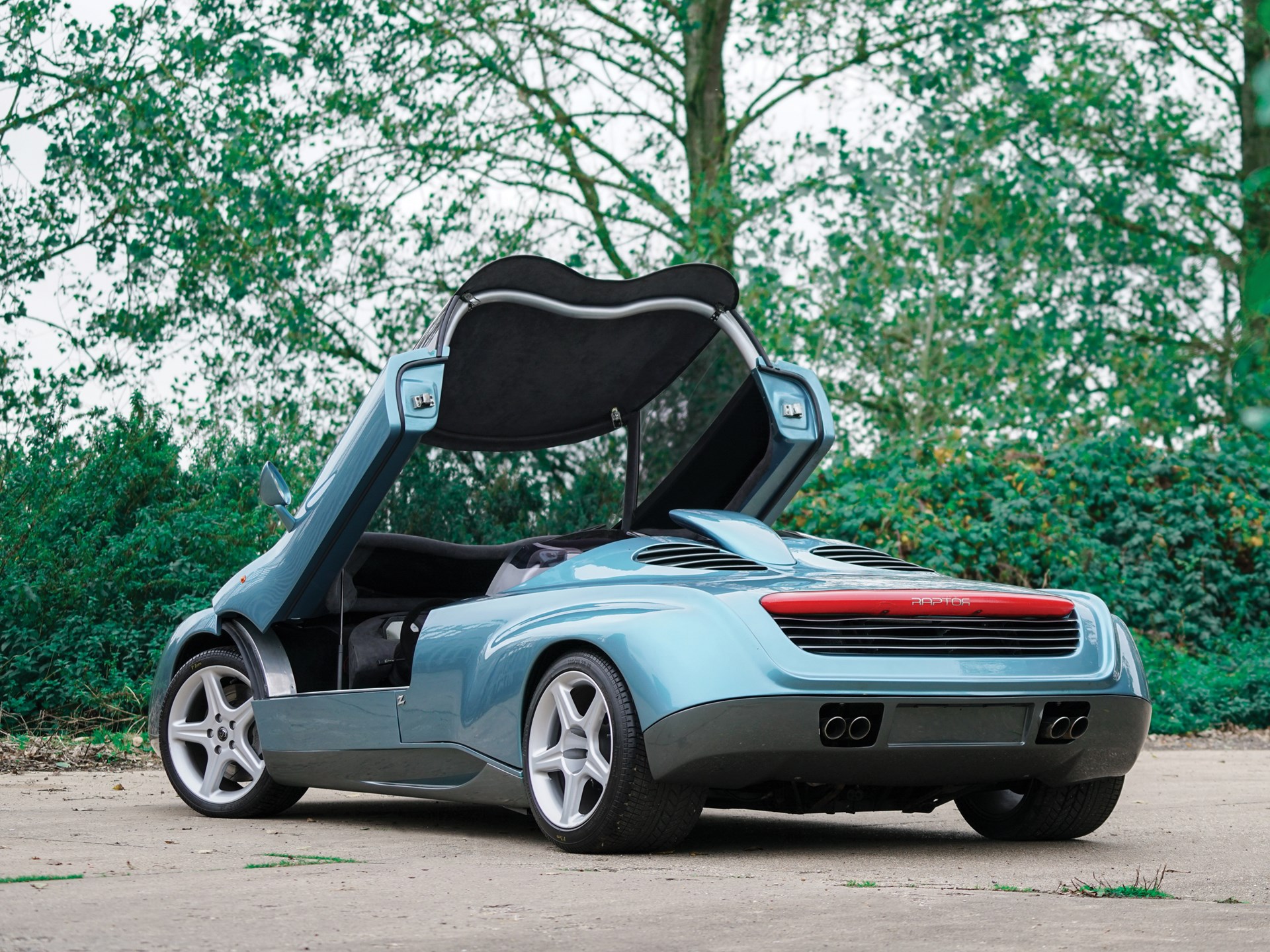
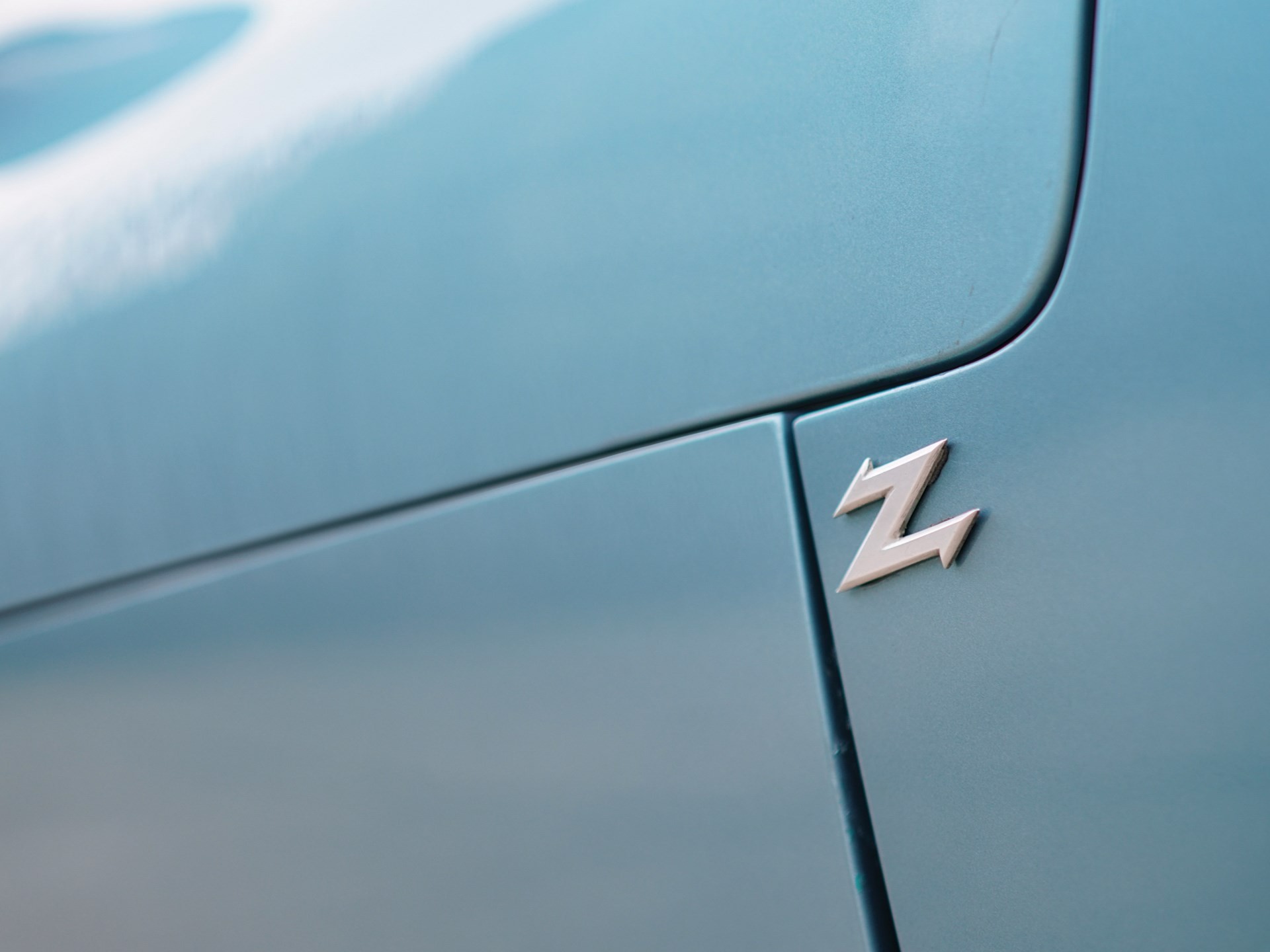
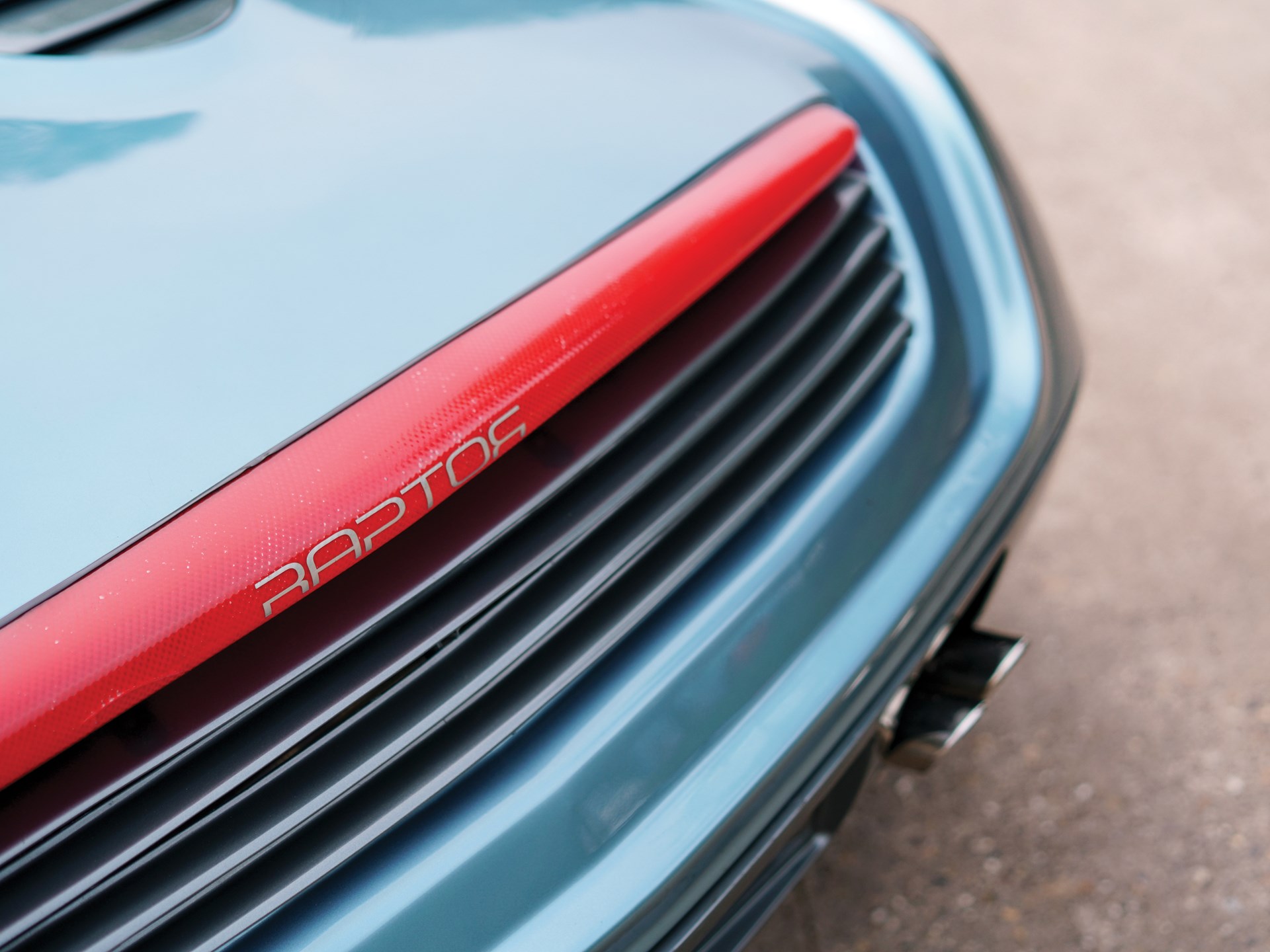
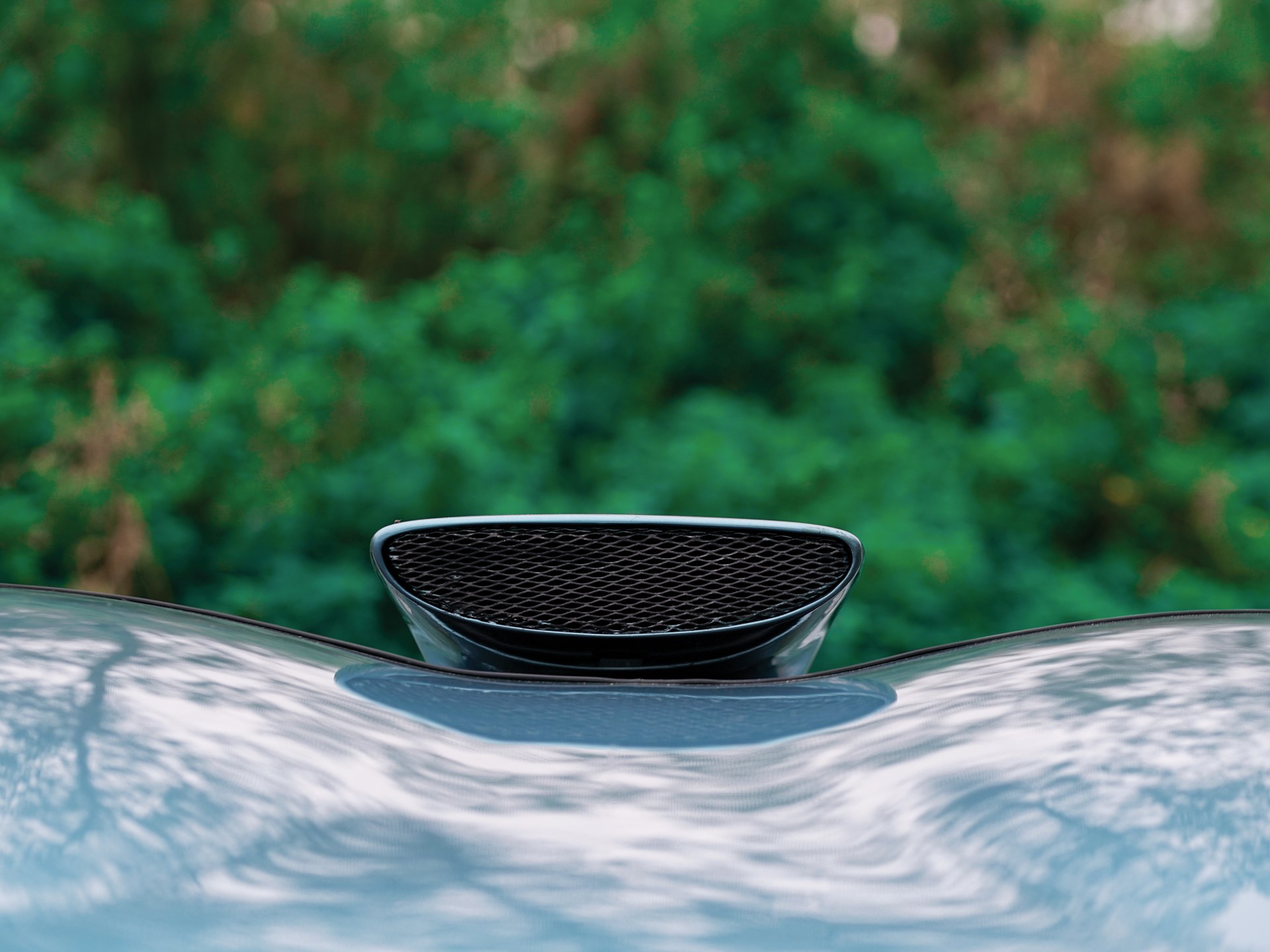
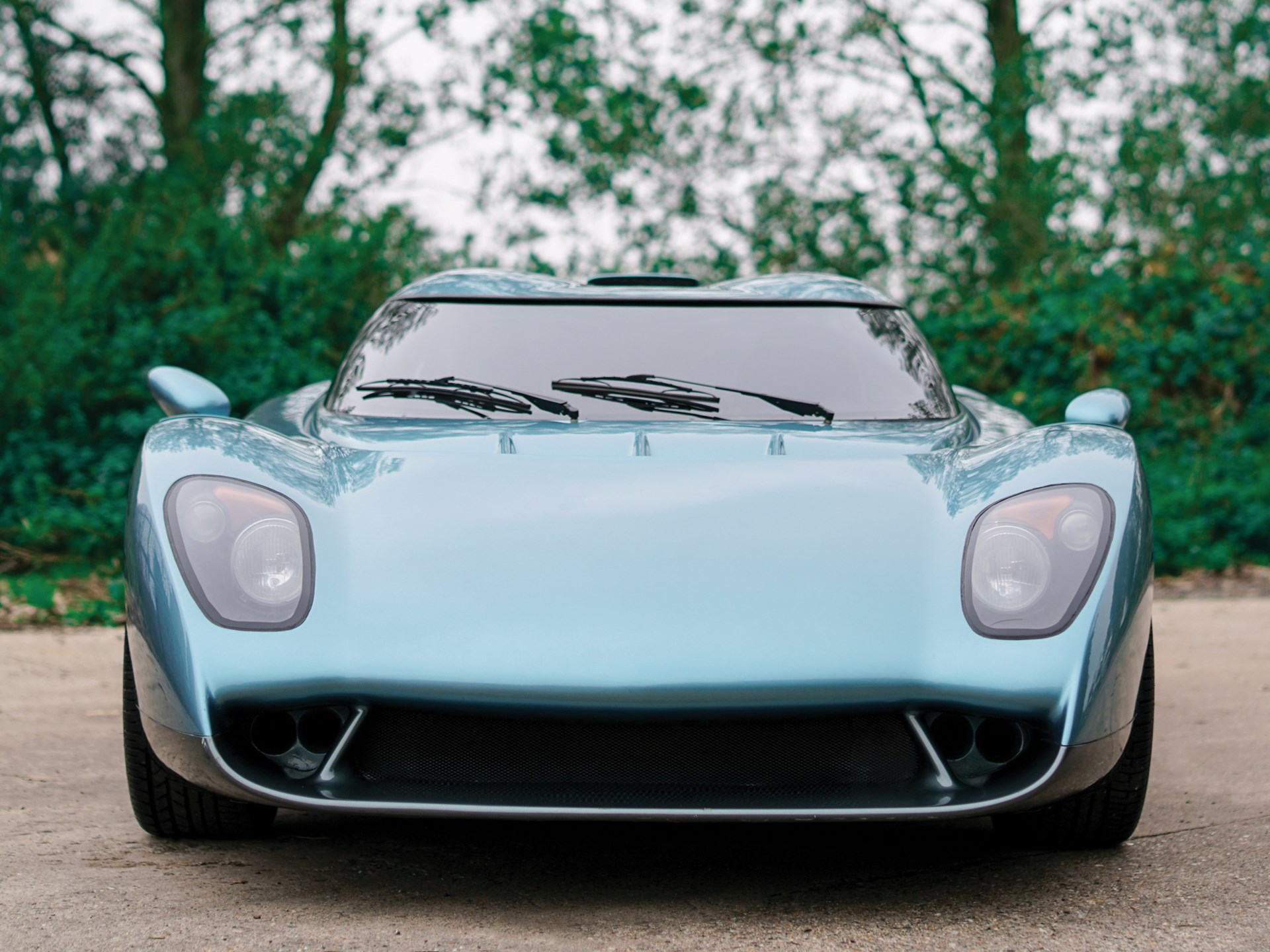
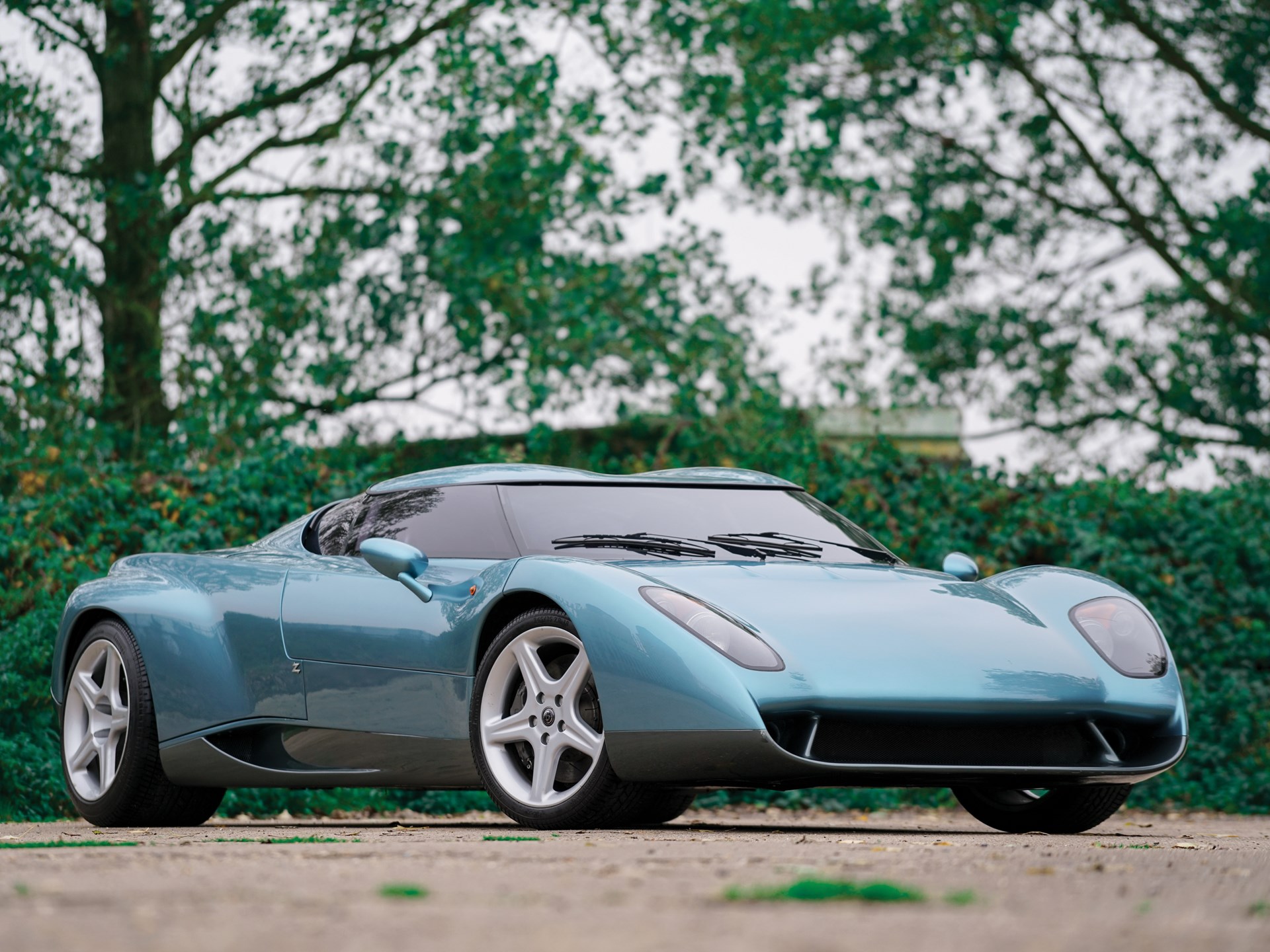
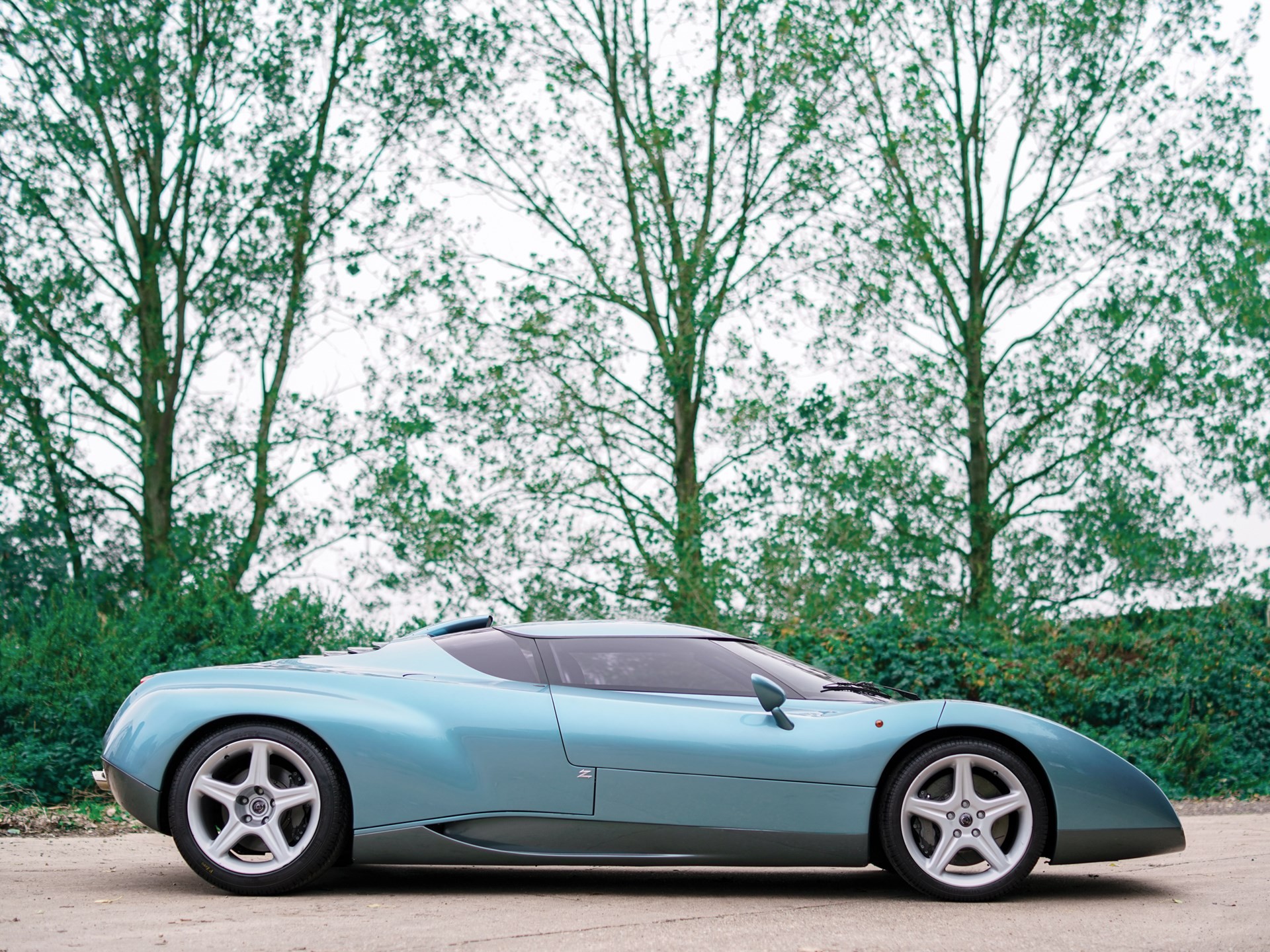
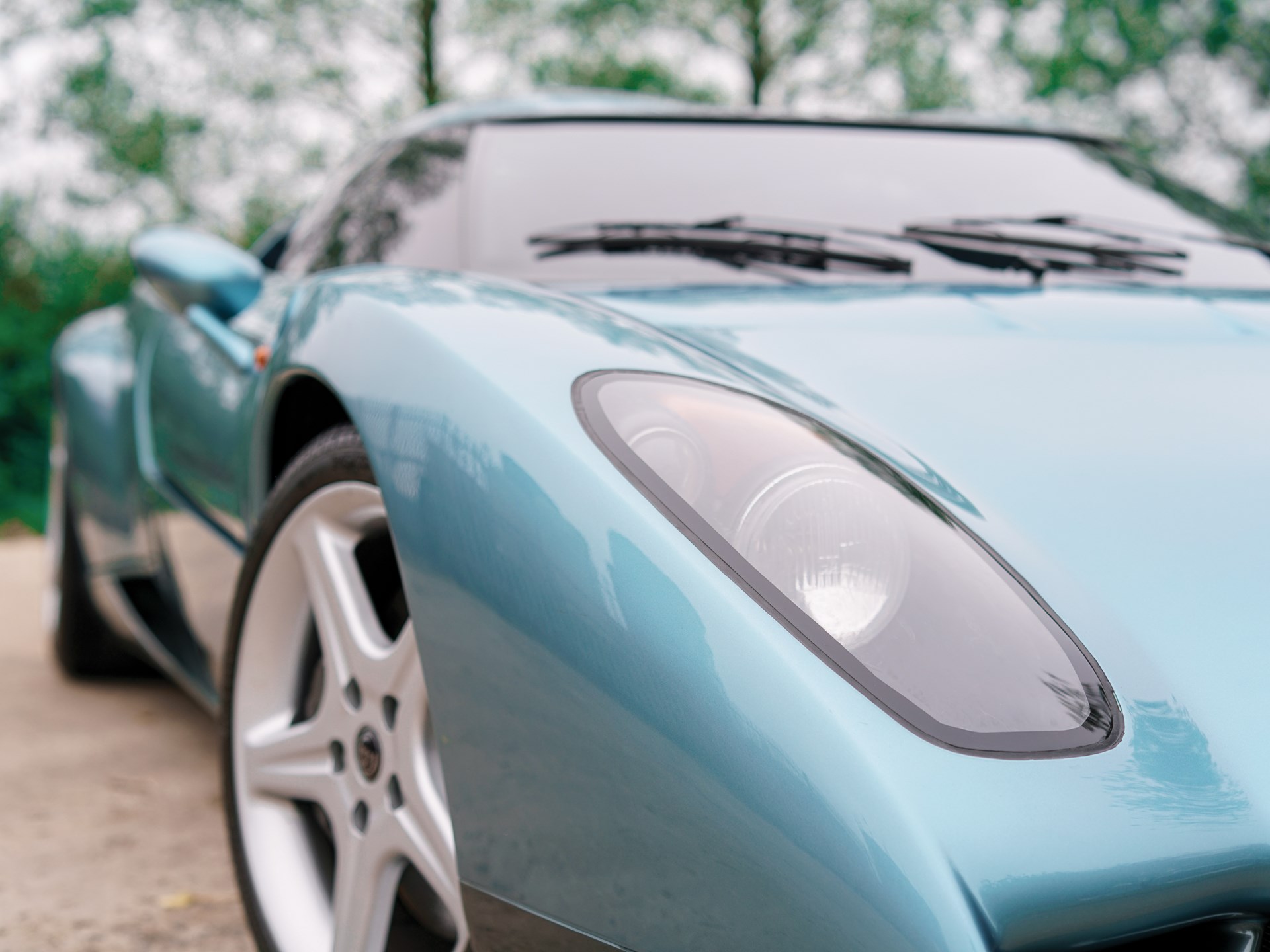
The Zagato Raptor was designed in conjunction with Lamborghini SpA as a limited-production model intended to bridge the gap between the Diablo and its subsequently stillborn successor, the Lamborghini Canto. Although the model never went into production, the stunning one-off Raptor concept was significantly lighter and more elegant than the standard Diablo.

It was unveiled at the 1996 Geneva Motor Show and garnered significant attention, not only for its exceptional performance, but also for its futuristic aesthetics, which were the product of Zagato’s new computer-aided design equipment. Indeed, it was one of the very first cars to be designed entirely by a digital design and manufacturing process, negating the need to produce a single scale model. As a result, Zagato’s engineers achieved the remarkable feat of producing the concept from a clean sheet design in less than four months under the guidance of chief designer Nori Harada.

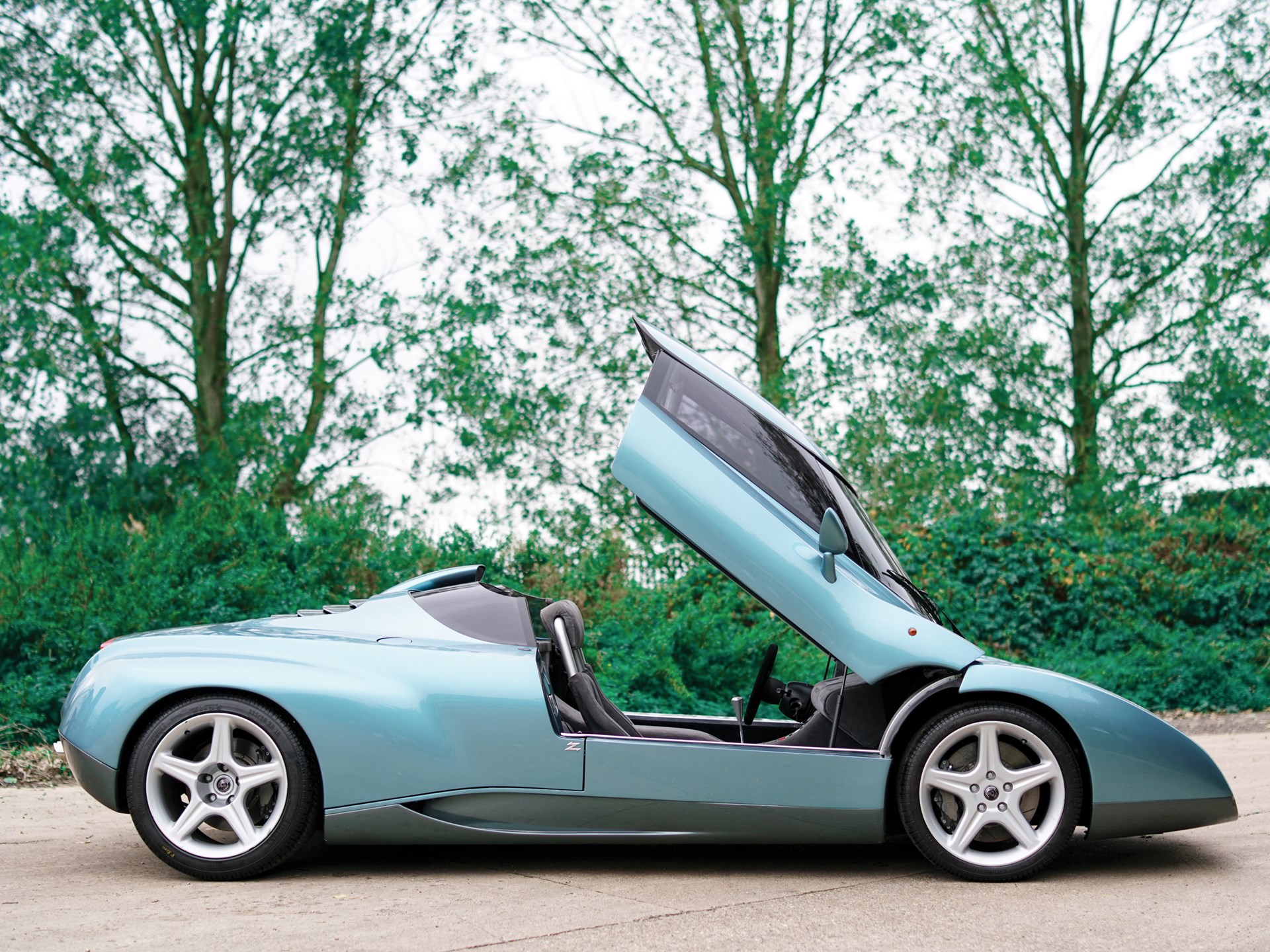
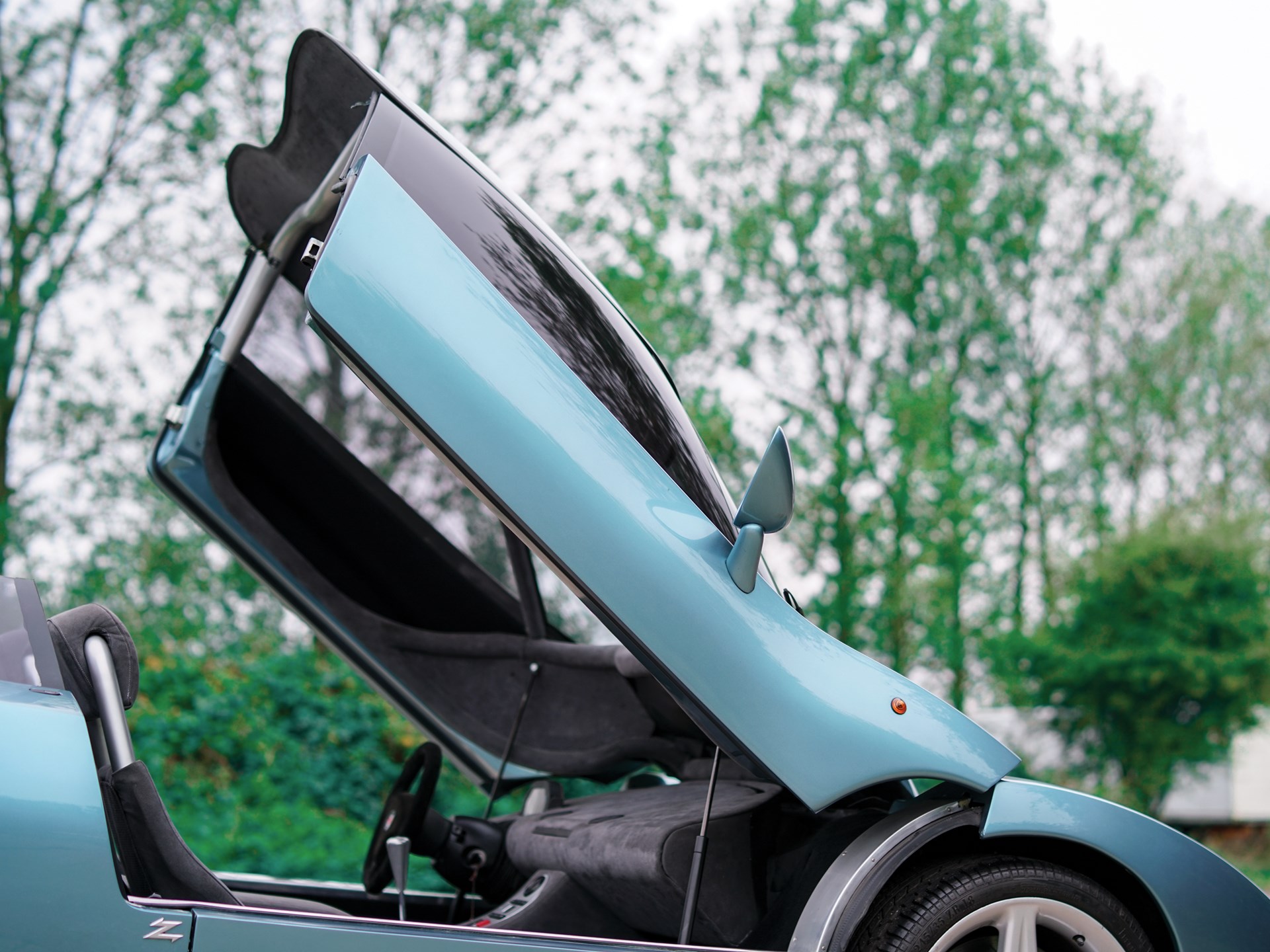
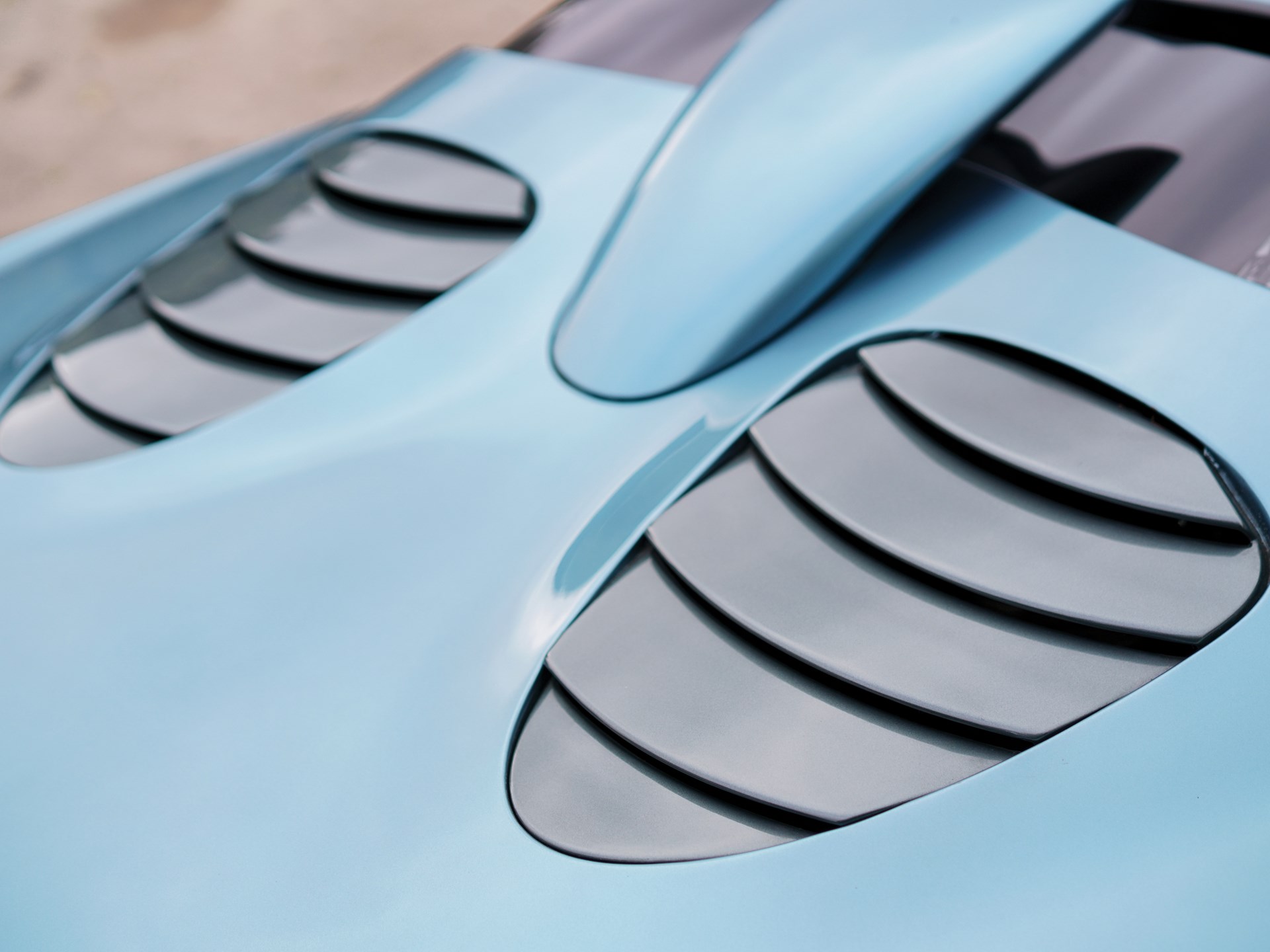
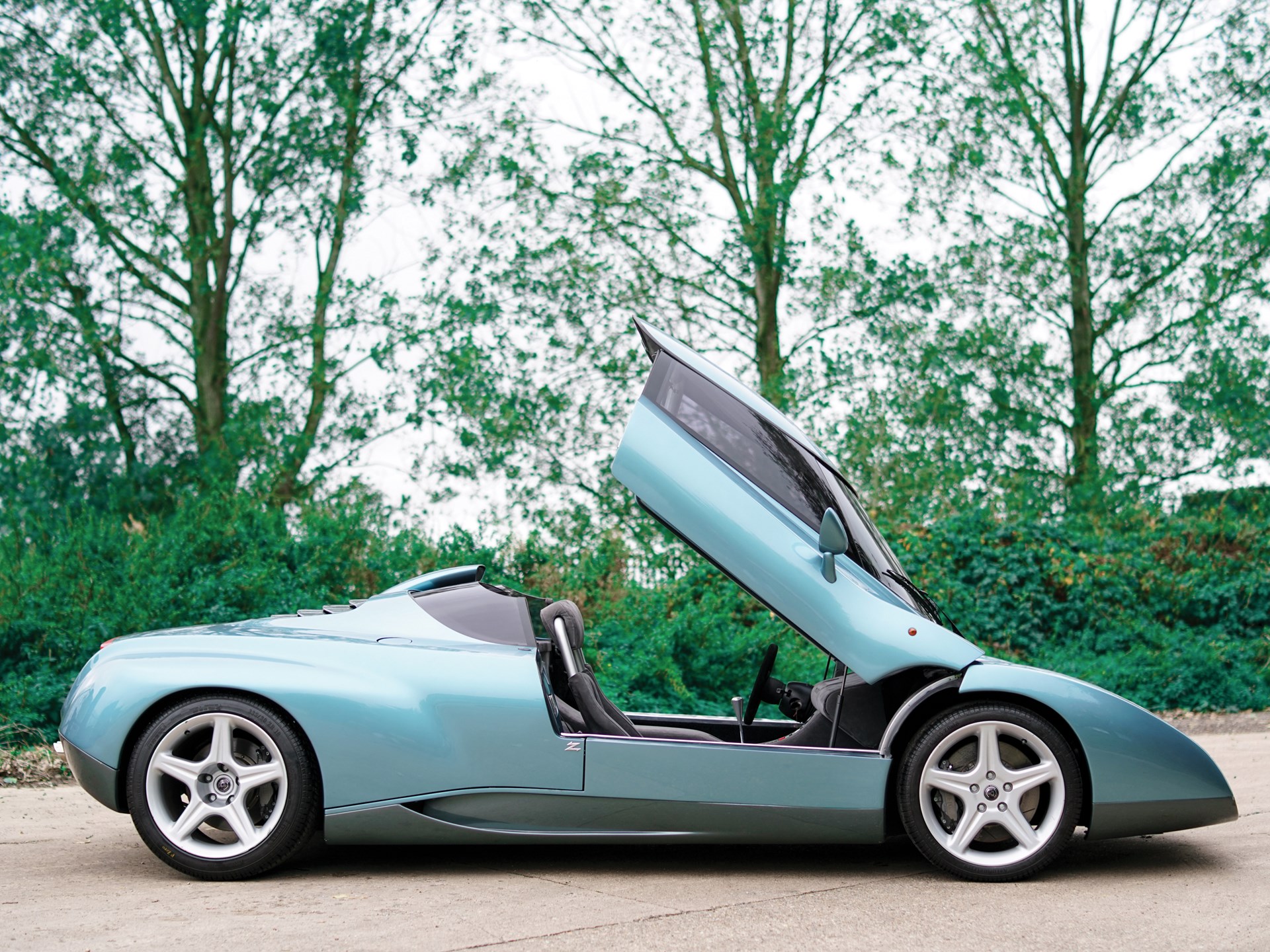
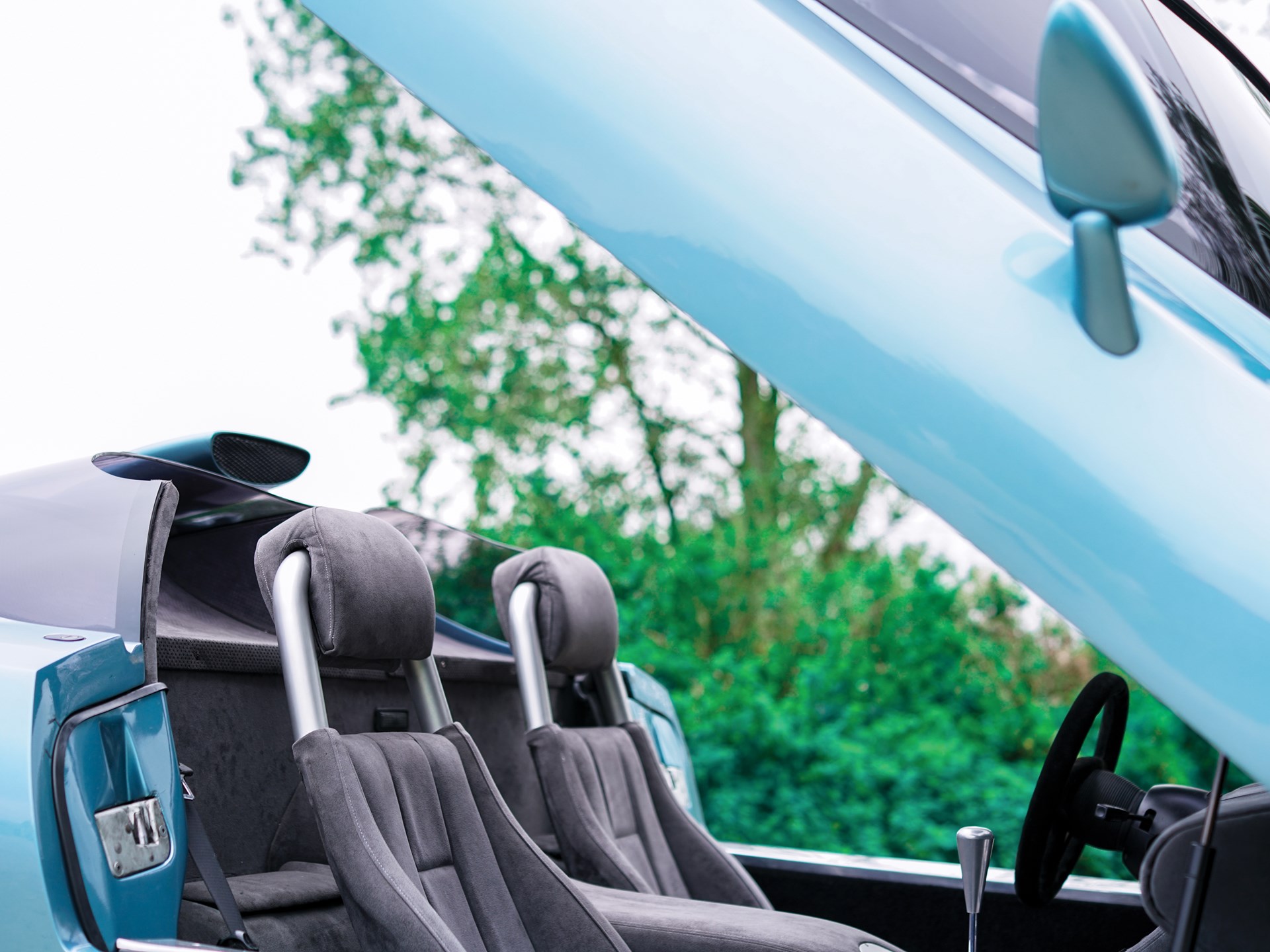
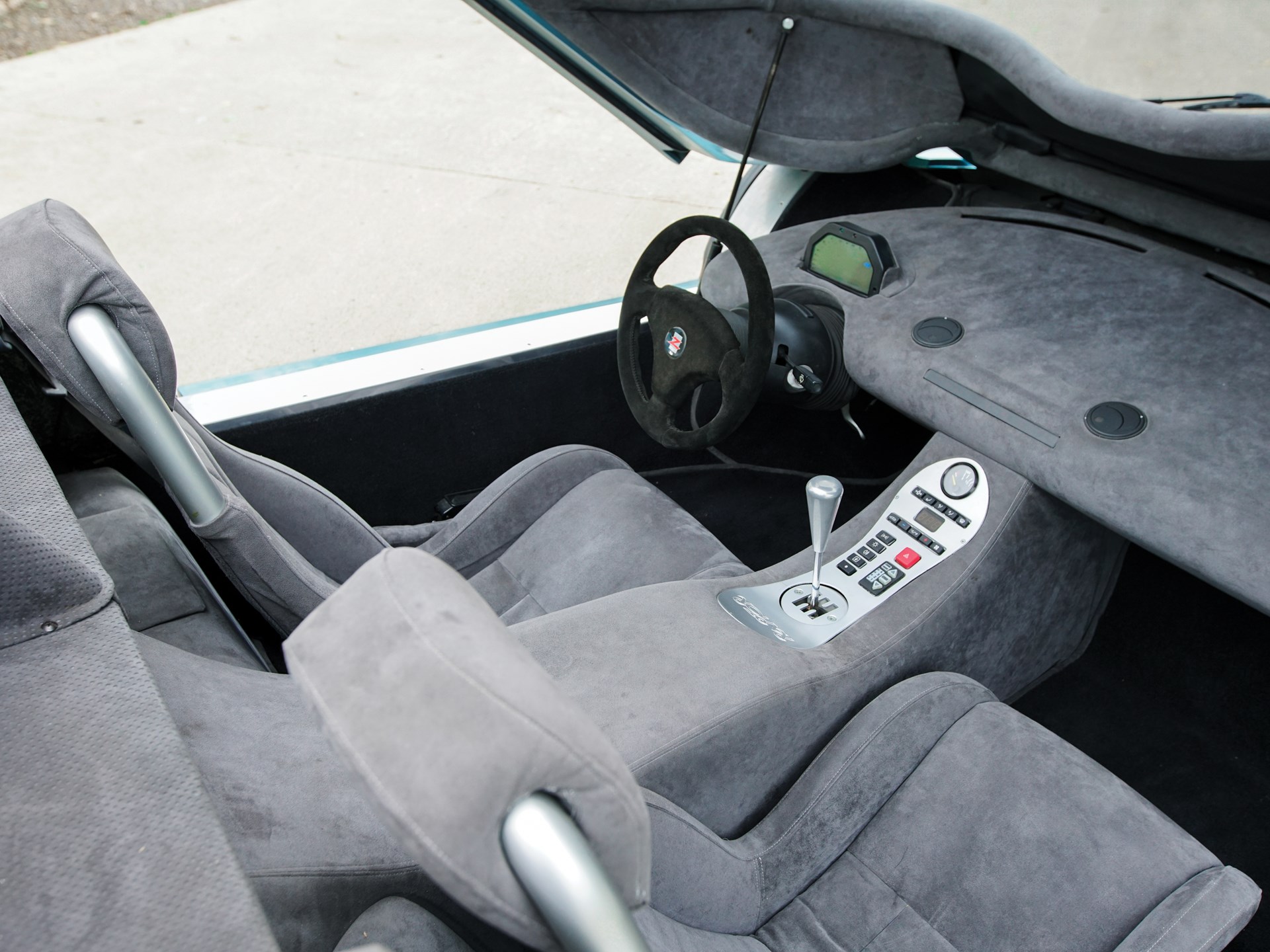
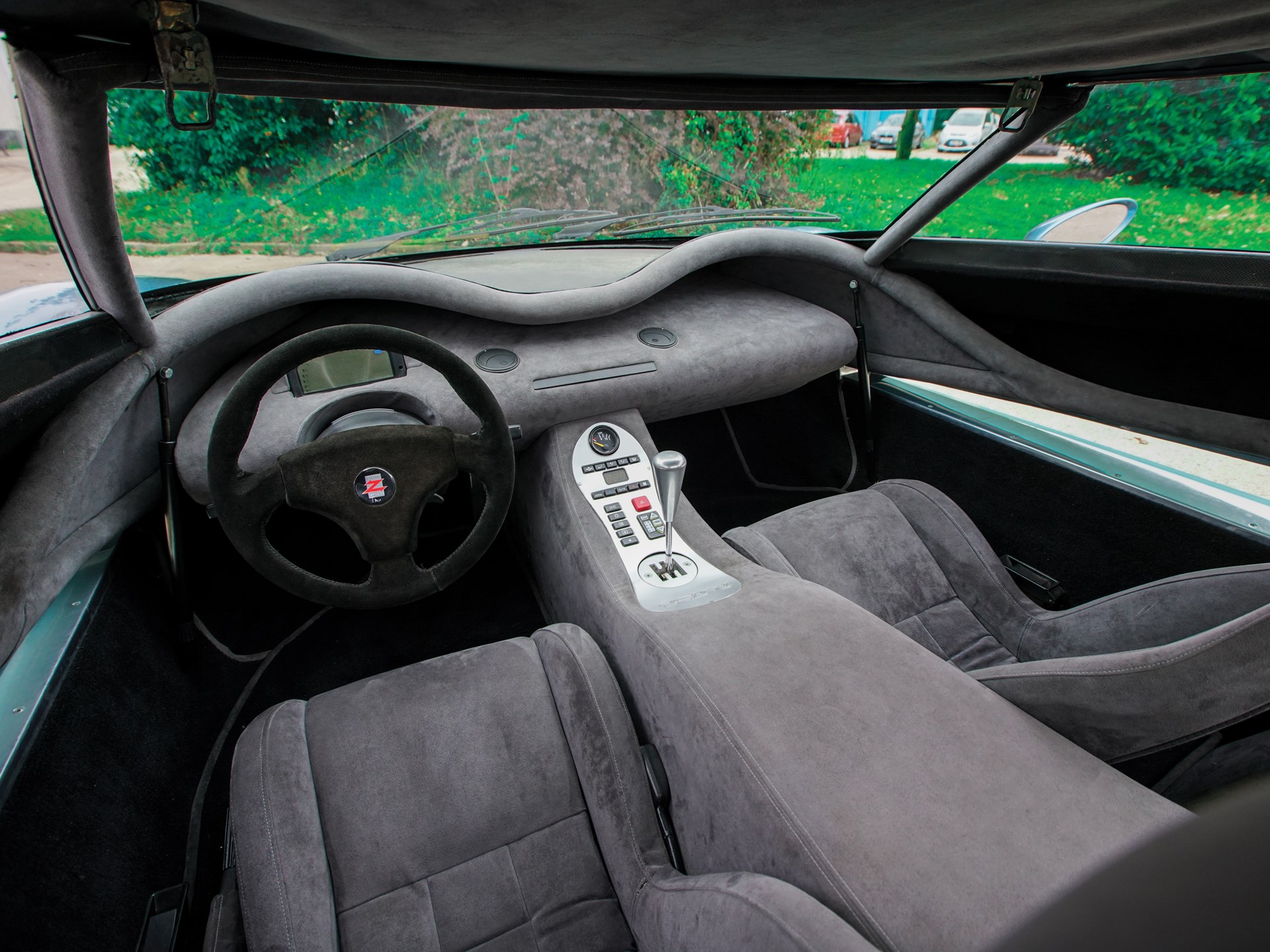
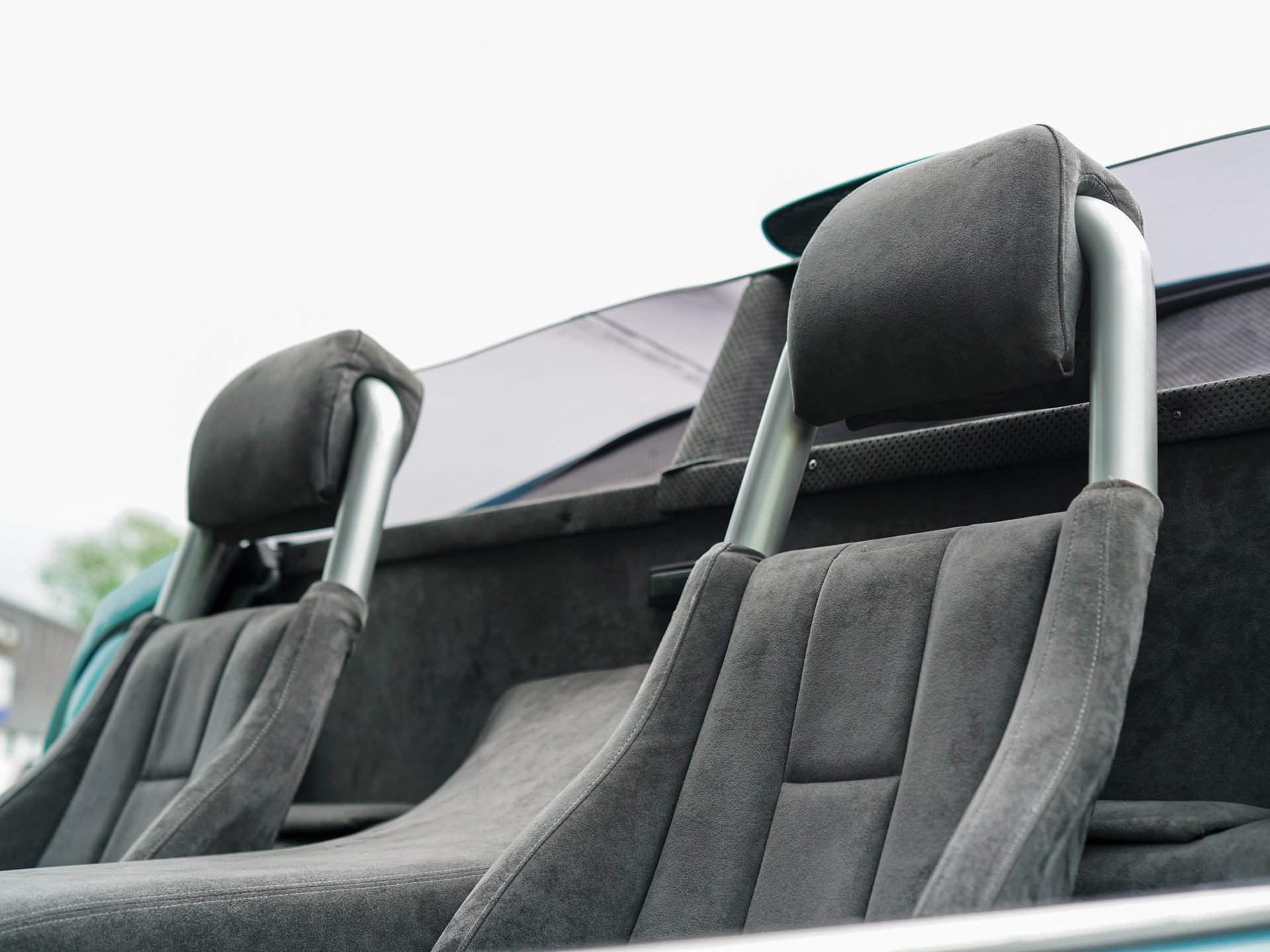
The Raptor itself was built on a tubular space-frame chassis and clothed in an elegant carbon-fibre bodyshell. The body hinged at the rear, in a similar fashion to the Ferrari F40, to reveal the engine bay, but uniquely also hinged at the front, with the entire middle section of the car pivoting forwards to permit easy access to the futuristic interior, whilst also removing the need for conventional doors. The roof section was equally distinctive, featuring the Zagato’s trademark ‘double bubble’ design, as well as being removable, which gave the owner the ability to use the car as a coupé or a roadster according to his or her wishes.

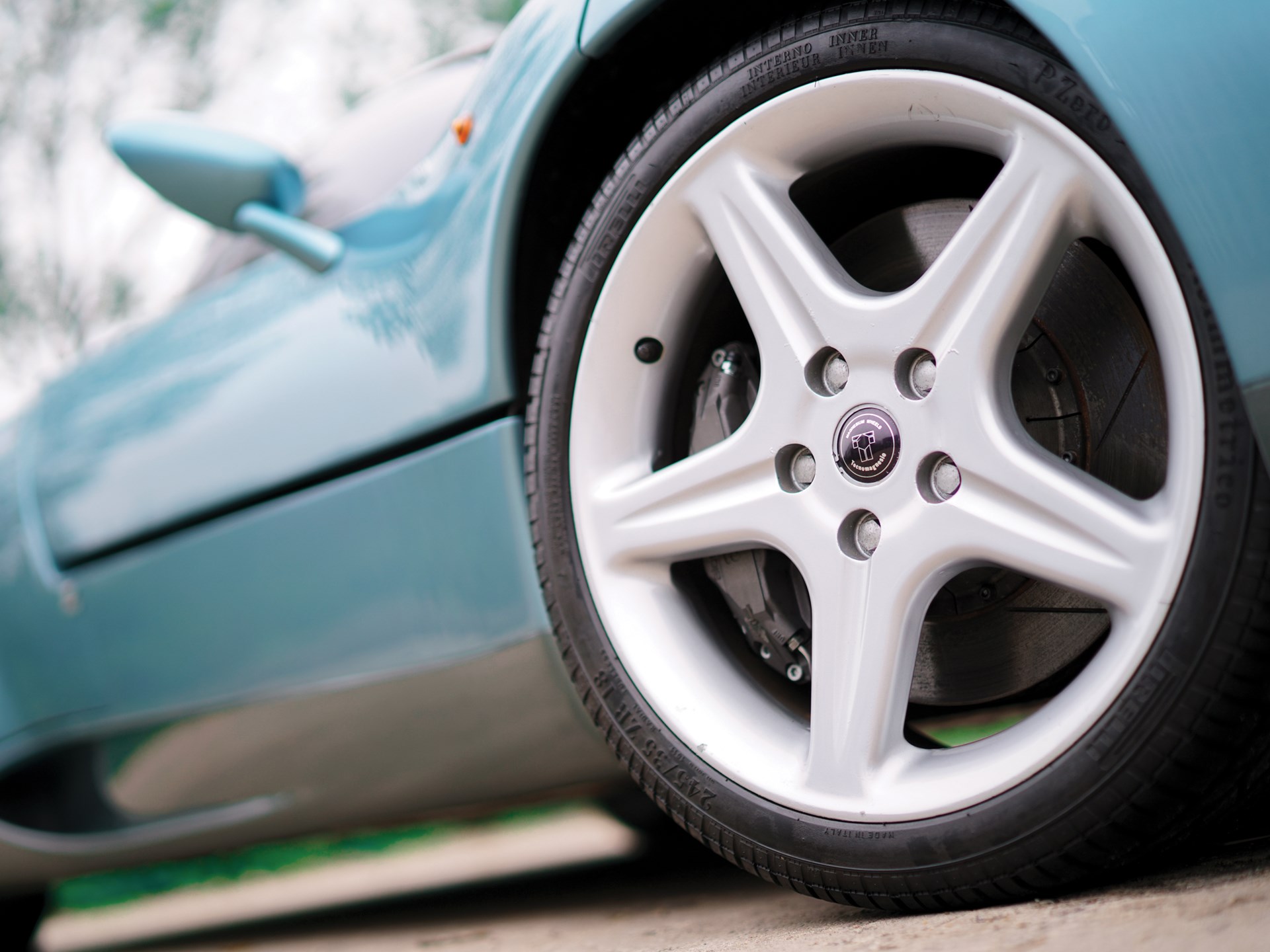
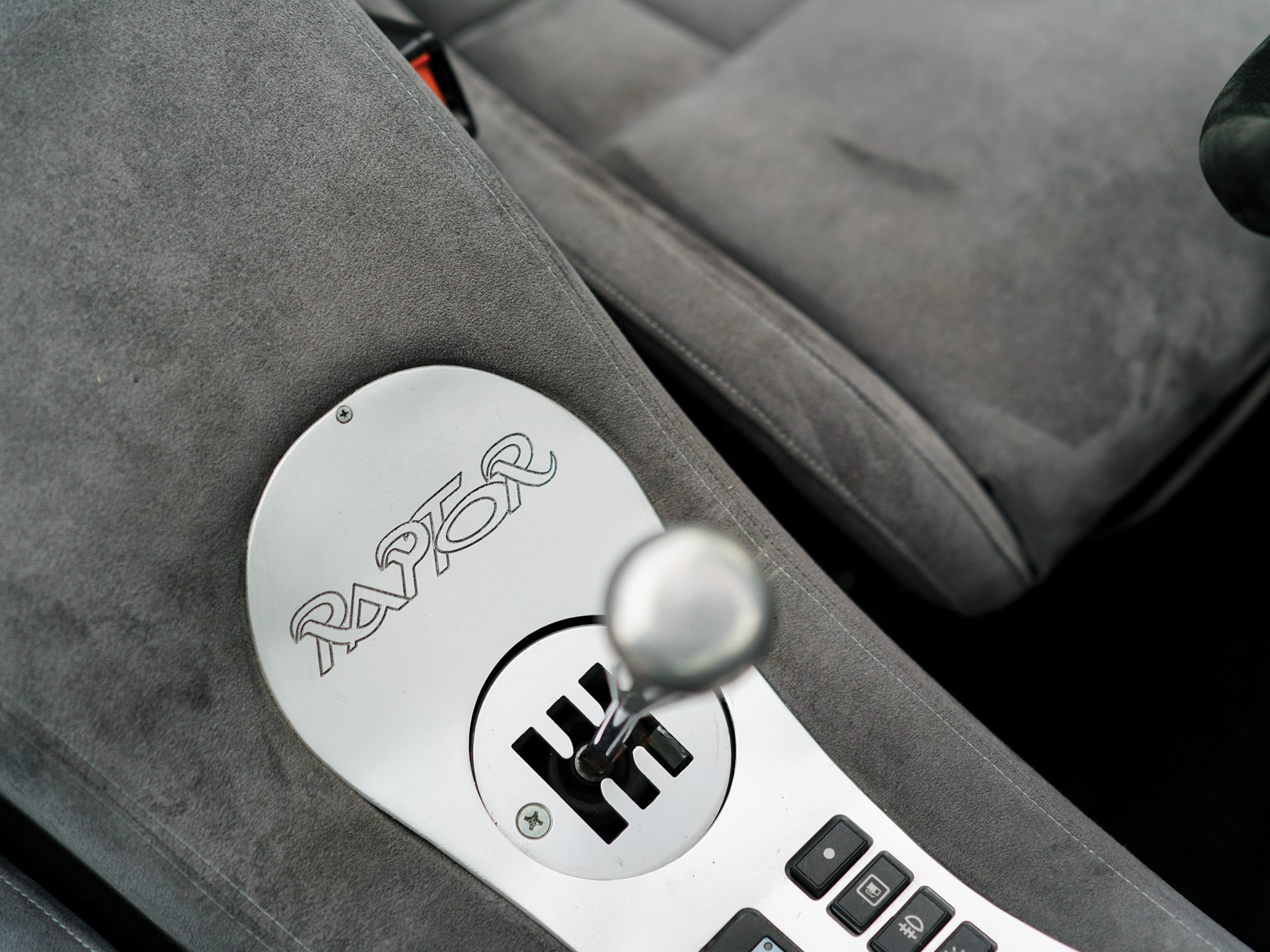
The six-speed manual, all-wheel-drive transmission was borrowed directly from the Lamborghini Diablo VT and featured the same viscous centre differential that gave the Diablo vastly improved handling over its rear-wheel-drive siblings. Under the bonnet, however, the Diablo’s powerful dual overhead-cam, quad-valve 5.7-litre V-12 remained unchanged. The Raptor had a kerb weight nearly 300 kg lighter than the Diablo, a result of the carbon-fibre bodywork, magnesium wheels, stripped-out interior, and lack of fixed doors. Zero-to-sixty was dispatched in less than four seconds, and top speed was rumoured to be the interesting side of 200 mph. Keeping this immense performance in check was an enhanced braking setup featuring Alcon callipers paired to oversized discs. Unsurprisingly, the Raptor forwent the Diablo’s traction control and electronic ABS systems, which were considered dead weight and counterproductive to outright performance when in the right hands.

Despite the positive reception received at Geneva, as well as subsequent road tests that showed the Raptor to have extremely good handling and performance as well as drivability, Lamborghini opted against putting the car into production. Alain Wicki, the brainchild behind the Raptor, cited the upcoming Canto as the issue, as it, too, was being designed by Zagato and featured similar design cues to the Raptor. Perhaps understandably, Lamborghini did not want to upstage the successor to the Diablo with the limited-edition Raptor.

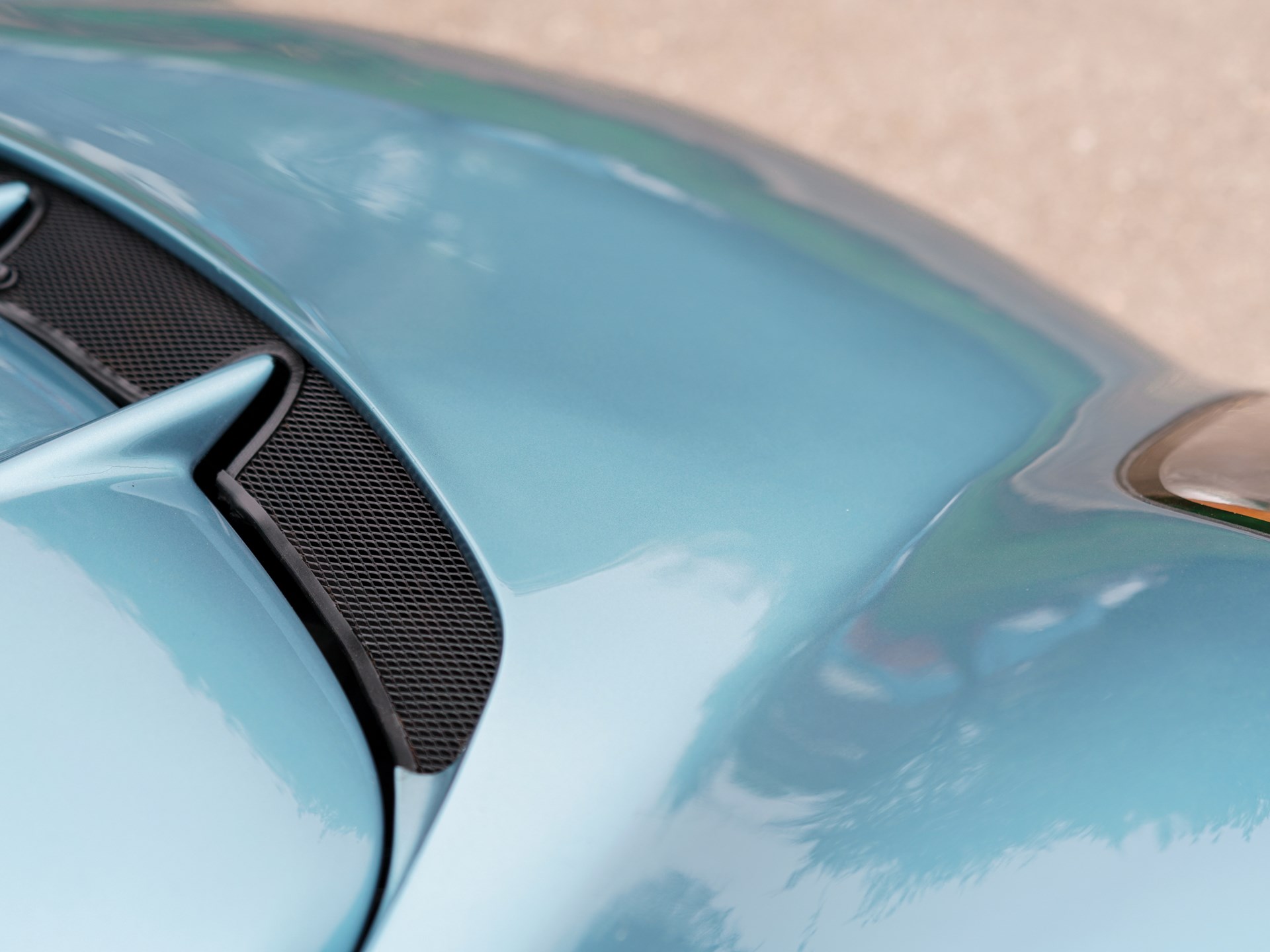
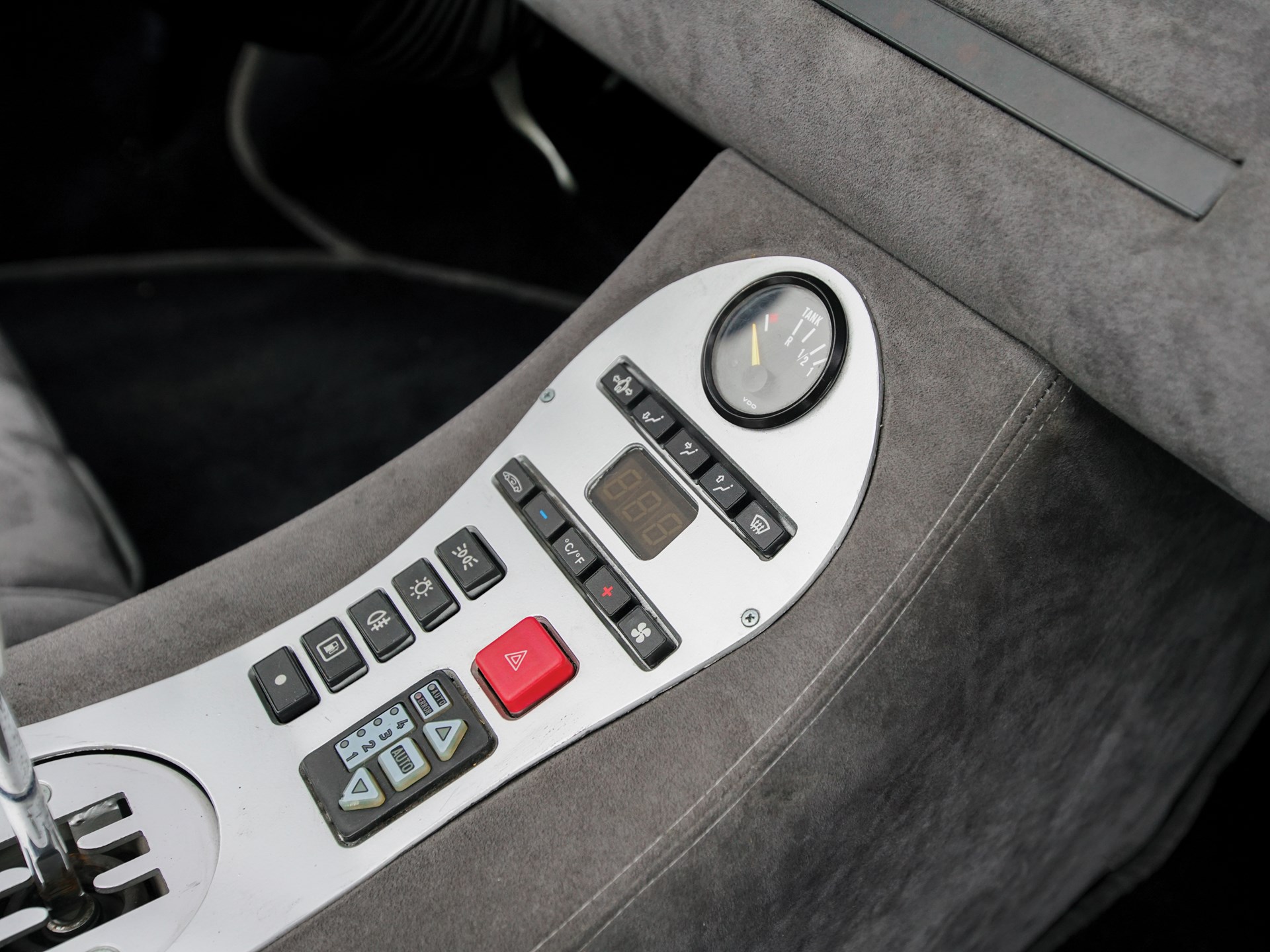
For this reason, the only car that was produced was the Geneva car, which is now offered for sale. It was owned by Alain Wicki himself until 2000, whereupon it was sold at the Geneva Motor Show, passing into the hands of its current collector owner. In 2008 it was displayed at the Pebble Beach Concours d’Elegance before being brought to the UK shortly afterwards. It is as striking today as it must have been in 1996 and presents in beautiful condition throughout in its original sea-green colour scheme with dark grey Alcantara-swathed interior. The Raptor has not been publicly displayed or driven since it was shown at Pebble Beach and would be fresh to the show circuit should its next owner choose to display the car. As the car has not been driven in some years, a full mechanical servicing is advised prior to further show-circuit use.

Comments

Popular posts from this blog

Cute girl drifting in rally car unfastened

The 9th Dream Car from the Top 10: GM-X Stiletto

When we think of dream cars, our minds often race to sleek designs, innovative technology, and that unmistakable feeling of pure, unbridled passion. The GM-X Stiletto encapsulates all of these elements and more, making it a worthy contender in our top ten list. Ranked at number nine, this concept car from 1964 remains a beacon of automotive ingenuity and a symbol of a bygone era that continues to inspire. A Journey Back to the Jet Age To fully appreciate the GM-X Stiletto, we must travel back to the 1950s and '60s, a time when America was captivated by the future. The jet-age was in full swing, and cars were designed with a sense of bold optimism. Under the visionary leadership of Harley Earl and Bill Mitchell, General Motors created vehicles that mimicked the sleek lines and advanced technologies of jet aircraft. The GM-X Stiletto, born in 1964, was a product of this era's boundless imagination. The Visionary Design The GM-X Stiletto was first unveiled at the 1964-1965 World’s...

【中継】日産モータースポーツファンイベント

10 Newest Cars and SUVs by South Korean Manufacturers (2025-2026 Lineup ...

Chevrolet Concept Cars: Ten Of Our Favorites

Most celebrations of Chevrolet's centennial surround the automaker's production vehicles. Why not? After all, this is the brand that birthed legends like the Bel Air, Corvette, and Camaro, among others. Those vehicles are certainly worth celebrating, but we can't help but wonder: what about the Chevrolet cars that never saw a production line? We've scoured through the history books (and our memory banks) to pick out ten of our all-time favorites.

Bass And Boobs + Skirt Trick & Can Trick

Aventador S | The design draws inspiration from predators and aeronautics

As much as the Aventador is the car most entitled to represent the Lamborghini brand values, the Aventador S is the expression of the Lamborghini flagship par excellence, embodying the utmost synergy between design and engineering in pure Lamborghini style. The “S” has existed for 50 years The first Lamborghini S model was launched 50 years ago to represent the evolution of already revered icons. In fact, the further development of the Miura into a more improved version dates back to 1968, followed by Islero, Countach and Urraco. When the Aventador reaped this legacy and decided to surpass itself, the Aventador S was born. The design draws inspiration from predators and aeronautics The Aventador S presents pure refinement of the iconic design that remains true to the Lamborghini DNA, enhancing its mix of dynamism, refinement and aggressiveness. The sharp lines and surfaces of the front end evoke images of a shark fin, transmitting the same force and elegance when d...

Chevrolet Racing Claims 14 Championships in 2013

INFINITI QX50: A luxury crossover with world-first technologies and an all-new platform

NASHVILLE, Tenn. –  The new 2019 QX50 is the most compelling INFINITI to date. Based on an entirely new platform, the new QX50 is a mid-size crossover with world-first technologies, standout design and unrivaled interior space. " The 2019 QX50 is the most important vehicle we have ever launched, and it embodies everything the brand stands for: beautiful design, advanced technology and empowering performance.  As a luxury, mid-size crossover, it's the right vehicle at the right time in one of the world's fastest growing segments." Christian Meunier, INFINITI Global Division Vice President VC-Turbo – the world's first production-ready variable compression ratio engine The VC-Turbo engine is the world's first production-ready variable compression ratio engine, transforming on demand. A breakthrough in combustion engine design, the 2.0-liter VC-Turbo engine adjusts its compression ratio to optimize power and efficiency. It combines the power of a 2...

1985 Audi Sport Quattro: The Group B Homologation Special

In Austria in 1980, just a year after four-wheel drive cars became eligible to compete in the WRC, Audi debuted the first Quattro rally car and forever changed the sport. Over the next half of the decade (and onwards, if you count the Pikes Peak specials), these Audis would be subjected to a period of rapid iterative evolution that led to the short-wheelbase Sport Quattro models that helped define the infamously fast and dangerous era of Group B rallying. The relatively lax nature of the Group B regulations gave rise to a number of downright ferocious cars from Audi’s competitors (most notable being Lancia and Peugeot), and while it was not the most successful nor technologically advanced of these top tier cars by the end of the Group B era, the Sport Quattro is a worthy poster child for the lot of them—being first to the punch has its advantages. The advent of the Group B class provided manufacturers with practically every leeway imaginable given they adhered to a basic s...

Labels

Show more