Rüsselsheim. Thanks to excellent aerodynamics as well as highly efficient new engines and transmissions, the new generation Opel Astra sets standards for efficiency and low emissions. Compared with the previous model, CO2 has been cut by up to 19 per cent, putting the Astra at the top of the compact class. The current Astra generation already ushered in a new era at its premiere and was elected European Car Of The Year 2016. With its lightweight design (200kg lighter than the predecessor) and top technologies from higher classes, the Astra set benchmarks. Opel continues to pursue this strategy with ultra-modern new generations of highly efficient and lightweight petrol and diesel engines. The 1.2-1.5-litre three-cylinder power units produce 77kW (105hp) to 107kW (145hp), making both the Astra five-door and Sports Tourer real fuel-saving and CO2 champions (NEDC1 fuel consumption: urban 6.1-4.5 l/100 km, extra-urban 4.0-3.1 l/100 km, combined 4.8-3.6 l/100 km, 115-96 g/km CO2; WLTP2 combined: 5.9-4.4, 139-117 g/km CO2; preliminary figures). A counter-rotating balance shaft in the block of the three-cylinder engines offsets vibrations. The base power units already have a six-speed manual gearbox as standard. A smooth-shifting nine-speed automatic is optional.
Meticulous development in the wind tunnel also made a significant contribution to the reductions in fuel consumption and CO2 emissions. As a result, the new Astra is one of the most aerodynamic compact cars on the market.
At 0.25 Cd, the Sports Tourer belongs to the estate cars with the lowest drag coefficient in the world, while the five-door leads the hatchback class at 0.26 Cd.
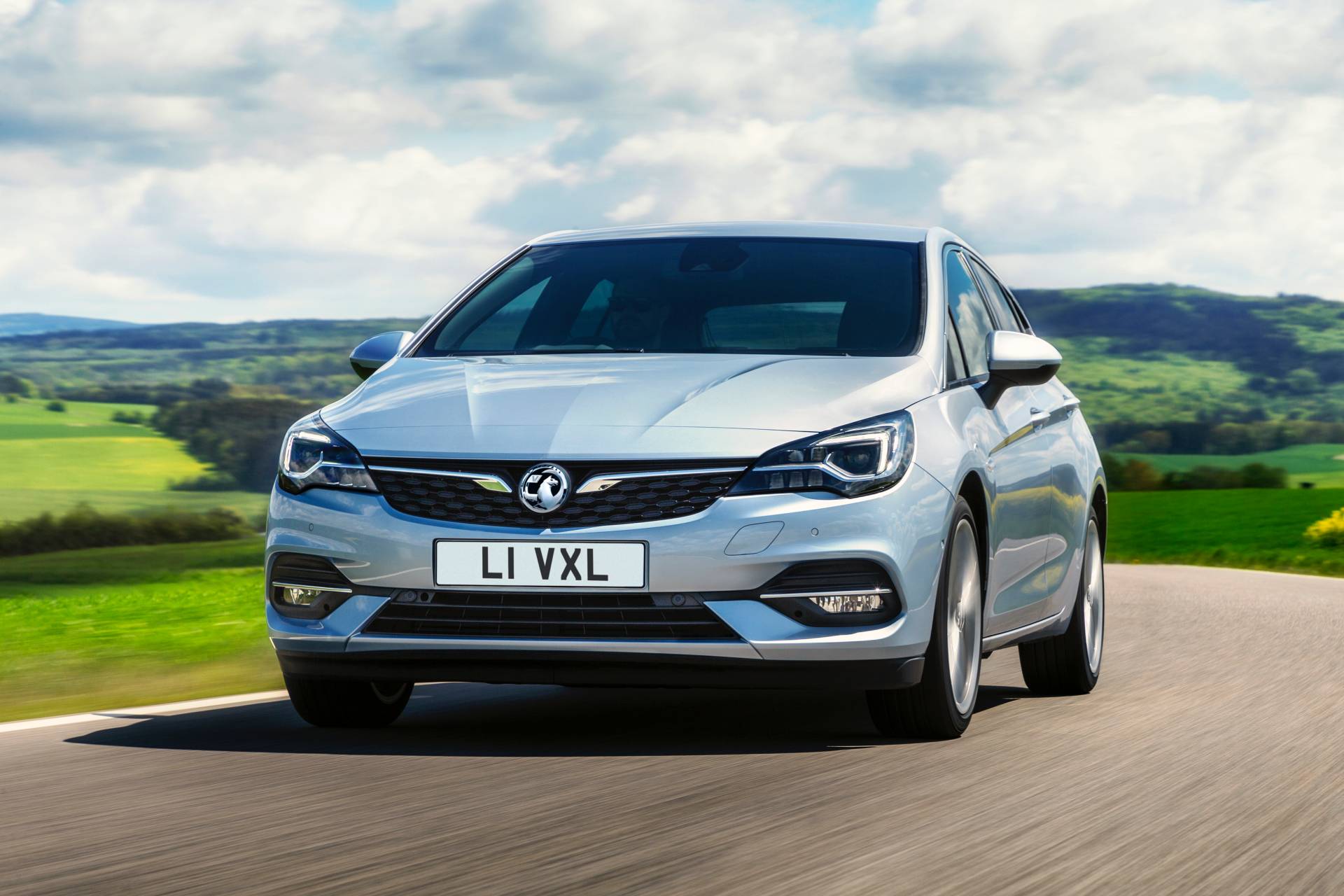
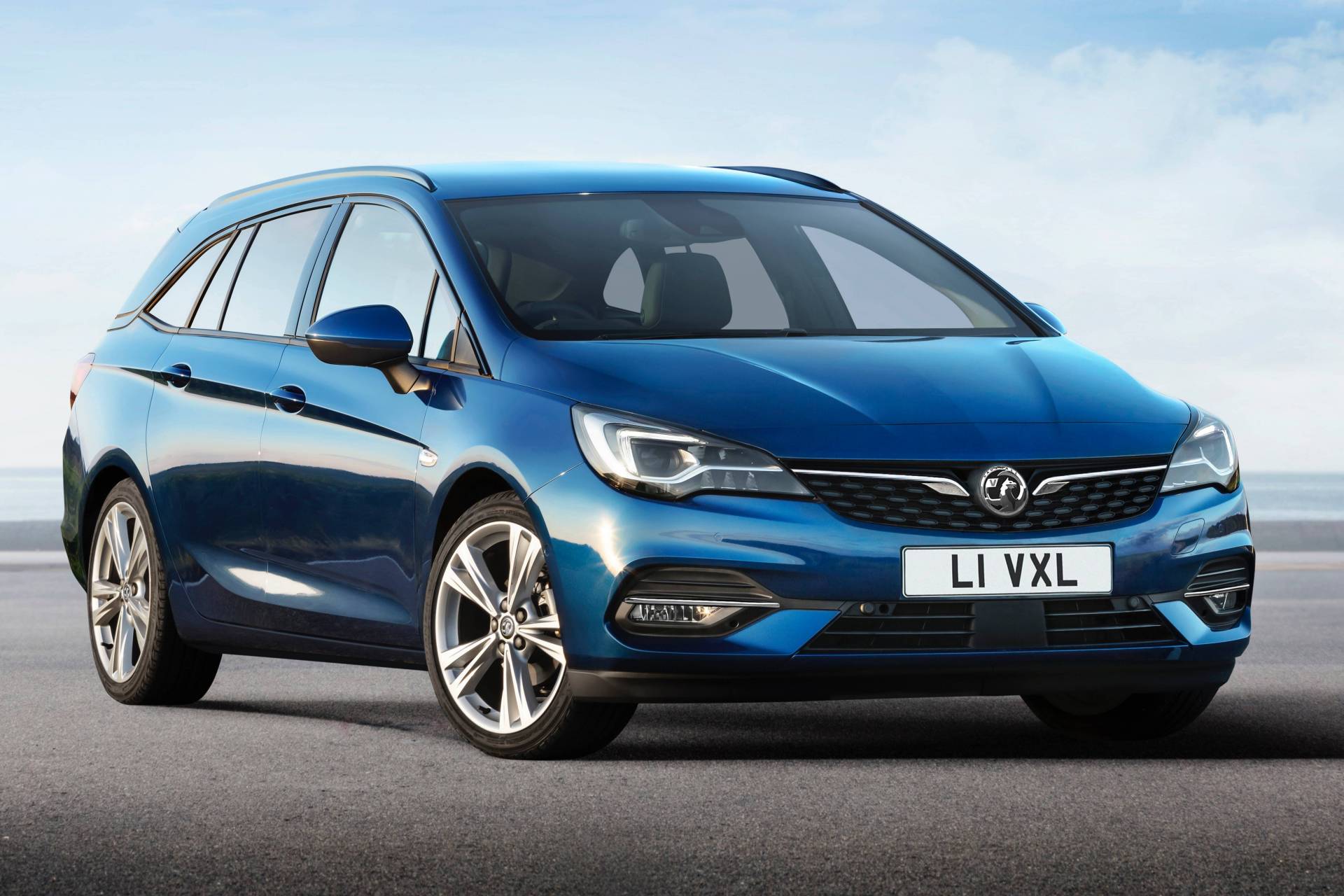
The aero-benchmarks have been achieved through numerous measures, including an engine compartment cover, deflector-shaped rear axle control arms and a full-face shutter. The upper and lower portions of the new Astra’s radiator grille automatically open and close independently of one another, further improving the frontal airflow. The underbody optimisation improves the drag coefficient by reducing turbulence.
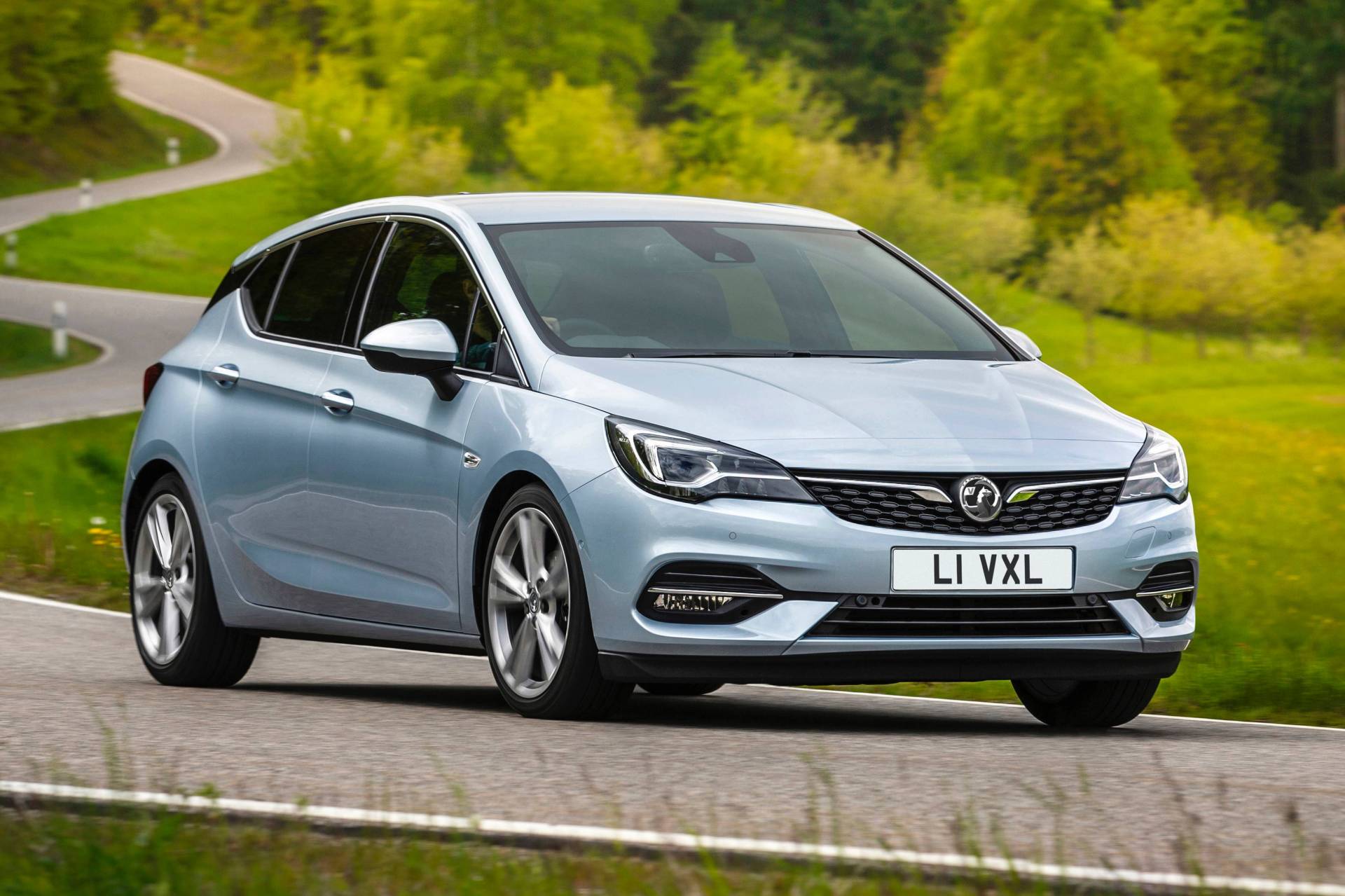
The Astra’s dynamic chassis has been further developed. New shock absorbers increase comfort. The optional sports chassis features stiffer dampers, a more direct steering and a Watts link at the rear axle.
“We focussed on reducing fuel consumption and emissions during the development of the new Astra”, said Christian Müller, Managing Director Engineering. “Thanks to the excellent aerodynamics as well as new-generation engines and transmissions, we reduced CO2 emissions by up to 19 per cent. That is a huge step to the benefit of our customers, who can also profit from lower running costs. This all puts the new Astra at the top of its class.”
Thanks to state-of-the-art emissions reduction technologies such as Gasoline Particulate Filter (GPF) and diesel Selective Catalytic Reduction (SCR), all the Astra’s new powertrains already meet Euro 6d. The strict emissions standard first comes into force for all new registrations in 2021. The all-aluminium diesel and petrol engines are equipped as standard with fuel-saving stop/start technology.
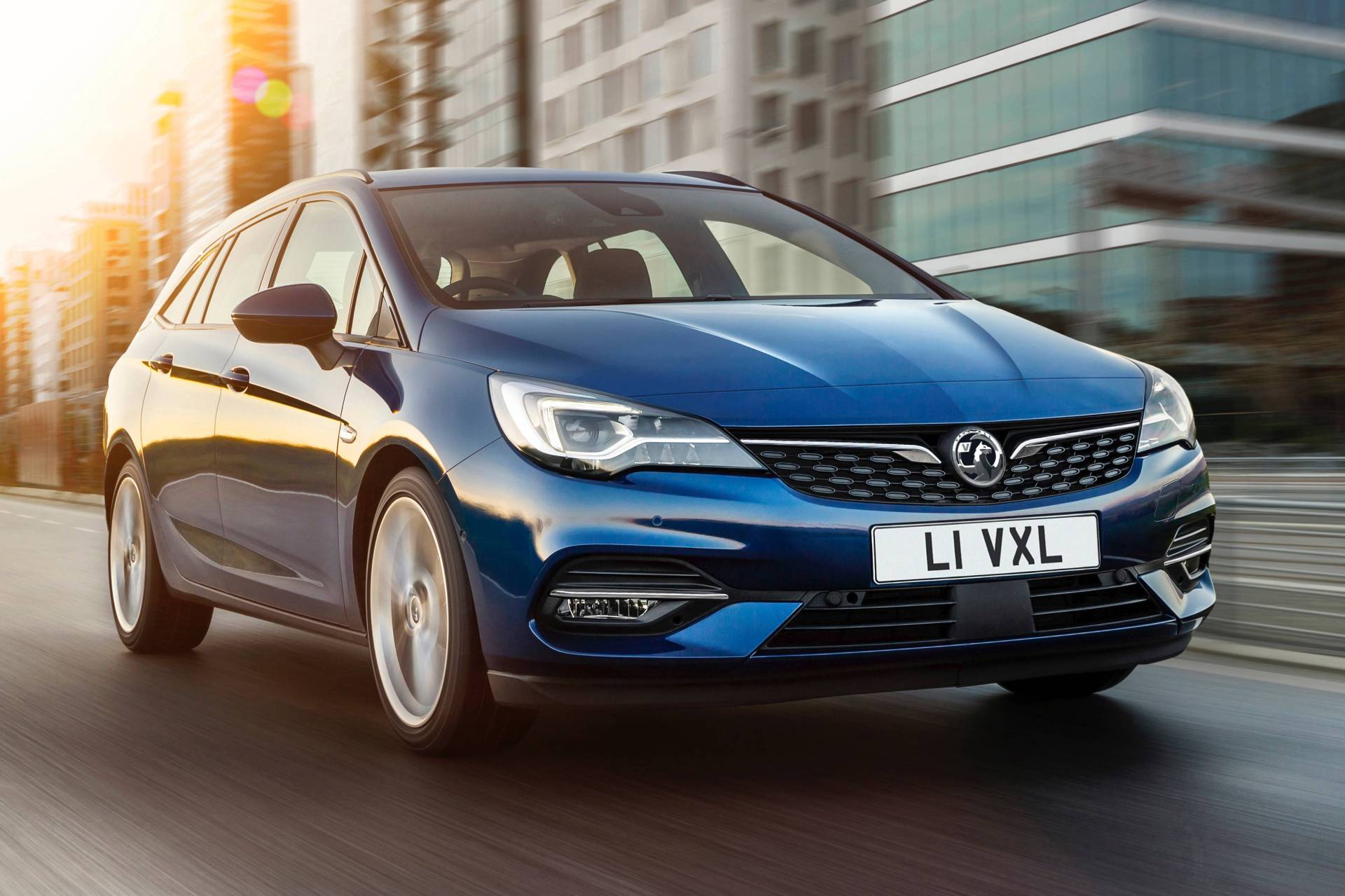
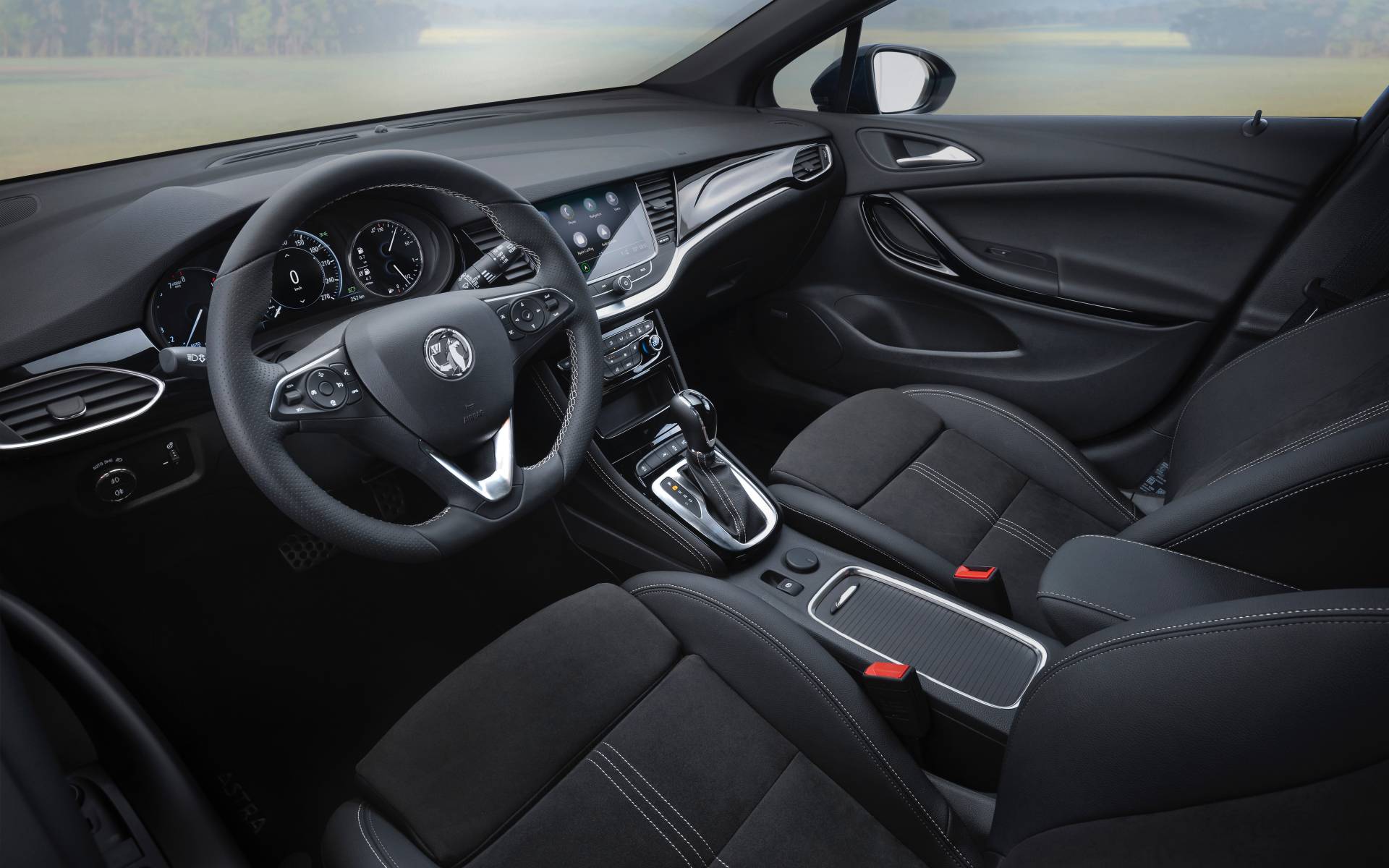
But the new Opel Astra, which can already be ordered in a few weeks, not only boasts exemplary aerodynamics and engine technology. It also comes with many other top technologies, from the new front and rear view camera to the digital speedometer and the next generation of infotainment. The E-Call emergency call system is also on board. A wireless charger in the centre console for smartphones is optionally available.
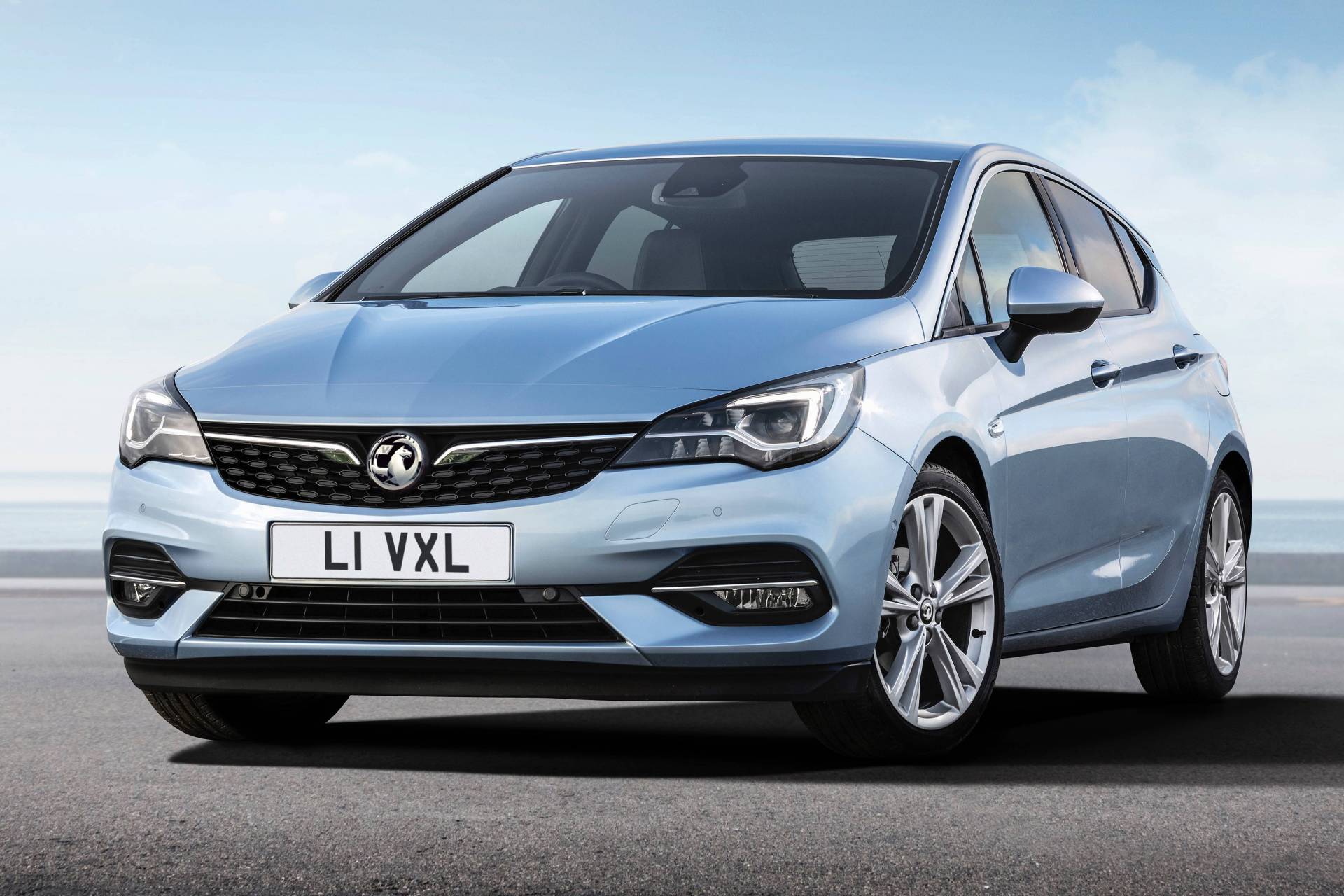
The new Astra front impresses with a grille in 3D-look. And while the interior transforms into a concert hall with the optional high-end Bose sound system, the Astra turns heads with the optional High Gloss Black Pack.
Efficiency champions: up to 19 per cent lower CO2 emissions
The new turbocharged petrol and diesel engines, which are as economical as they are lively, are primarily responsible for the exemplary efficiency. The low consumption and CO2 figures are also enabled by the modern six-speed manual gearboxes, the seven-speed continuously variable transmission (CVT) and – for the first time at Opel – a new nine-speed automatic.
The compact, three-cylinder, turbo petrol units are available with 1.2 and 1.4-litre displacements. With power outputs extending from 81kW (110hp) to 107kW (145hp) and maximum torque from 195 to 236 Newton metres, they achieve an excellent balance between performance and efficiency (NEDC1 fuel consumption: urban 6.1-5.4 l/100 km, extra-urban 4.0-3.8 l/100 km, combined 4.8-4.4 l/100 km, 110-101 g/km CO2; WLTP2 combined: 5.9-5.2, 136-120 g/km CO2; preliminary figures). The Astra 1.2 is combined with a smooth-shifting six-speed manual gearbox while the Astra 1.4 is available exclusively with a new seven-speed continuously variable transmission (CVT). With the CVT, Astra drivers can enjoy the convenience of automatic gear changing or select gears themselves via the shift lever.
Integration of the water-cooled exhaust manifold in the cylinder head contributes to quick engine warm-up, which lowers emissions after a cold start.
Petrol engines
|
1.2
|
1.2
|
1.2
|
1.4
|
Power (kW/hp) @ rpm
|
81/110 @ 4,500
|
96/130 @ 5,500
|
107/145 @ 5,500
|
107/145 @ 5,500
|
Torque (Nm @ rpm)
|
195 @ 2,000-3,500
|
225 @ 2,000-3,500
|
225 @ 2,000-3,500
|
236 @ 1,500-3,500
|
Emissions
|
Euro 6d
|
Euro 6d
|
Euro 6d
|
Euro 6d
|
Transmission
|
6-speed manual
|
6-speed manual
|
6-speed manual
|
7-speed CVT
|
Preliminary NEDC1 fuel consumption (l/100 km)
| ||||
|
5.6-5.4
4.0-3.8
4.6-4.4
105-101
|
6.1
4.0
4.8-4.7
110
| ||
Preliminary WLTP2 fuel consumption combined
| ||||
|
5.5-5.2
127-120
|
5.9-5.7
136-132
| ||
Comments
Post a Comment